

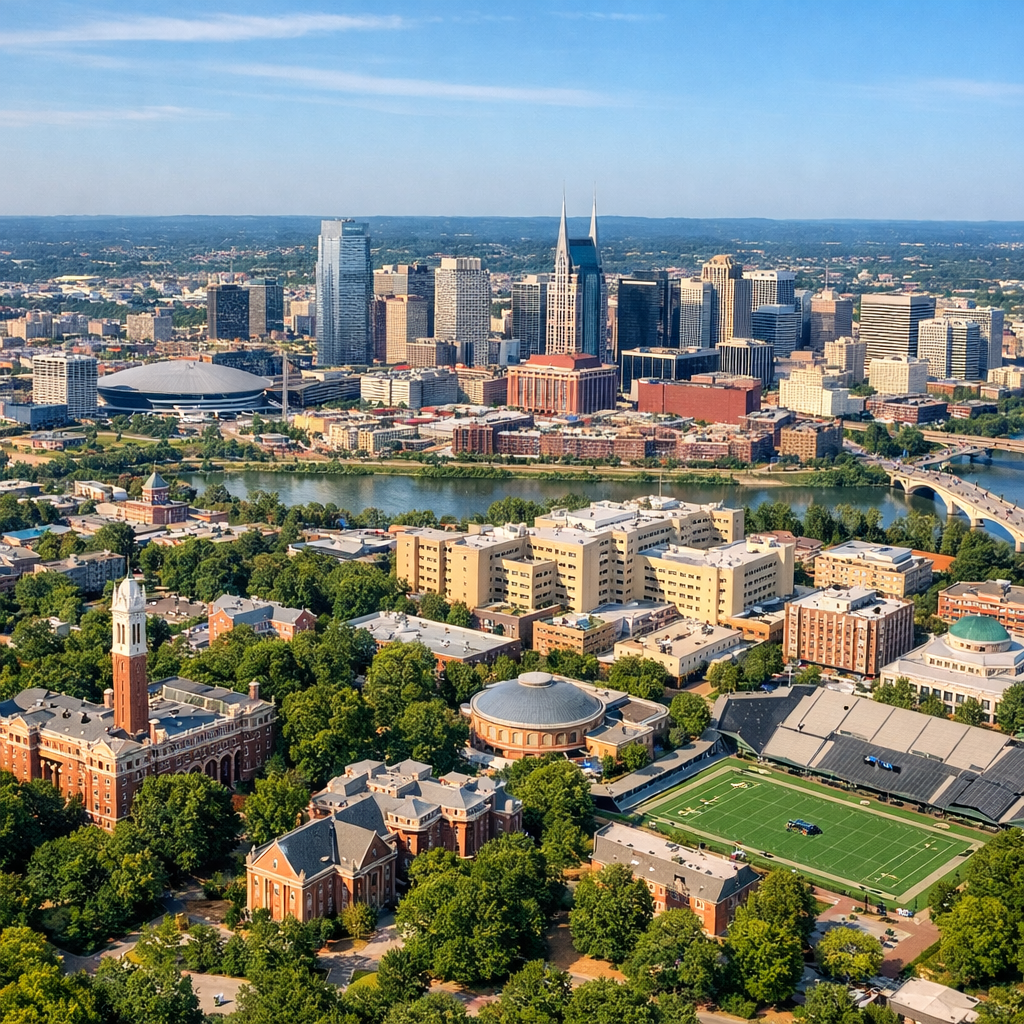
Nashville’s economic landscape is experiencing significant transformations, influenced by both national policies and local initiatives. As the city continues to grow, understanding these dynamics is crucial for residents and policymakers alike.
Population Growth and Economic Impact
Recent data indicates that Nashville’s population has been steadily increasing, with Davidson County adding nearly 9,300 residents in 2025, the highest among Tennessee’s 95 counties. This surge presents both challenges and opportunities, including rising home prices, increased traffic, and the potential for innovation and new business ventures.
Education and Income Disparities
Education remains a pivotal factor in income levels within Nashville. Adults aged 25 or older without a college education earned a median income of $41,393, highlighting the wage gap between high school graduates and those with higher education. Initiatives like Tennessee Reconnect aim to bridge this gap by offering tuition-free community or technical college education to residents aged 25 and older.
Housing Market Dynamics
The COVID-19 pandemic has reshaped Nashville’s housing market, leading to soaring home prices due to low borrowing costs and the rise of remote work. This trend has made homeownership increasingly unattainable for many residents, prompting a shift towards suburban areas in search of more affordable options.
Climate Challenges
Nashville has faced extreme heat conditions, with heat advisories becoming more frequent. These events are part of a broader trend affecting cities nationwide, attributed to high-pressure systems trapping hot, humid air. Experts link the increasing frequency and severity of such heat waves to human-induced climate change.
Immigration Policies and Community Response
Following recent immigration enforcement operations targeting predominantly Hispanic neighborhoods, Nashville leaders have established funds to support affected immigrant communities. These efforts underscore the city’s commitment to inclusivity and the challenges posed by federal and state enforcement policies.
Political Shifts
The recent U.S. House District 7 special election in Tennessee has sparked significant political reactions. Democratic candidate Behn’s closer-than-expected loss to Republican Matt Van Epps has energized Democrats ahead of future races, indicating potential shifts in traditionally Republican strongholds.
Vanderbilt University’s Economic Contribution
Vanderbilt University and Vanderbilt University Medical Center have made a substantial economic impact on Nashville and Tennessee, contributing $22.13 billion annually. As the largest private employer in the Nashville area, Vanderbilt’s influence extends beyond its campus, shaping the region’s economy and future growth.
Understanding these interconnected factors is essential for navigating Nashville’s evolving economic landscape. As national policies continue to influence local dynamics, staying informed and engaged will empower residents to contribute to the city’s sustainable growth and prosperity.