

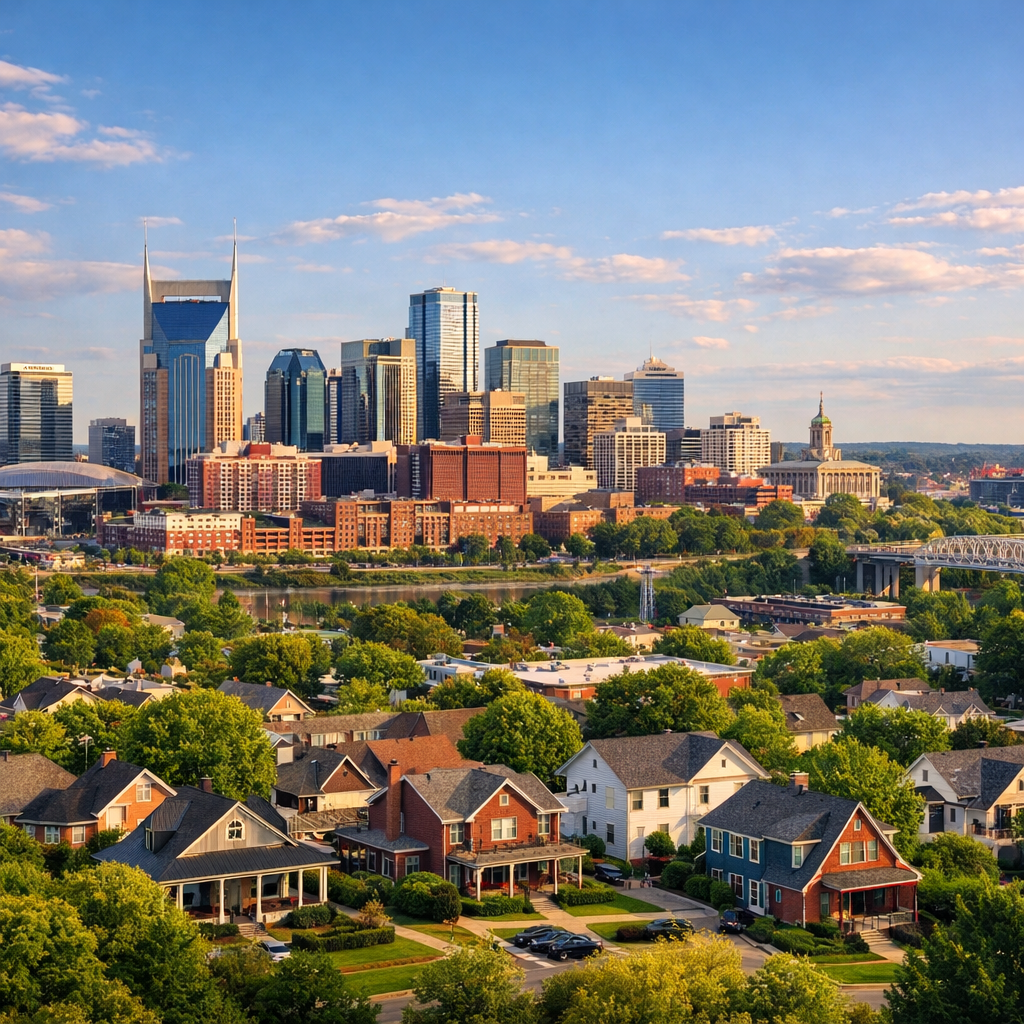
Nashville’s real estate market is experiencing notable shifts, presenting both challenges and opportunities for buyers and sellers alike. Understanding these changes is crucial for making informed decisions in this dynamic environment.
Market Trends: Inventory and Pricing
Recent data indicates a significant increase in housing inventory. As of June 30, 2026, there were 4,482 properties listed for sale, reflecting a 12% rise from the previous year. This surge provides buyers with more options and greater negotiating power. Concurrently, the average home value in Nashville has decreased by 3.3% over the past year, now standing at $436,603. Homes are also spending more time on the market, with a median of 25 days to pending status, up from previous periods. These trends suggest a shift toward a more balanced market, moving away from the seller-dominated landscape of recent years.
Rental Market Dynamics
The rental sector has remained relatively stable. As of June 30, 2026, the average rent in Nashville is $1,825, slightly below the national average of $1,965. This stability offers renters consistent options, though the market’s overall affordability continues to be a topic of discussion.
Notable Developments and Neighborhood Highlights
Several areas in Nashville are experiencing significant growth and development:
- Antioch (ZIP code 37013): This neighborhood led the city with 1,121 home sales in 2025, marking its third consecutive year at the top. The area’s affordability and new amenities, such as the upcoming Tanger Outlets and an In-N-Out location, contribute to its popularity.
- Belle Meade Plaza: The upcoming 1 Iris Lane project will introduce luxury condos starting at $2.5 million. This development includes two residential towers with 92 units, averaging 3,200 square feet each, and offers premium amenities like private mahjong rooms and a Pilates studio.
- East Bank Redevelopment: The $2.2 billion revitalization initiative has made significant strides, including progress on the new Titans stadium and plans for a riverfront arts center. These developments aim to transform the area into a vibrant, multi-use urban hub.
Conclusion
Nashville’s real estate market is in a state of transition, characterized by increased inventory, slight price adjustments, and ongoing development projects. For potential buyers, this environment offers more choices and negotiating power. Sellers, on the other hand, may need to adjust strategies to align with current market conditions. Staying informed about these trends is essential for anyone looking to navigate Nashville’s evolving real estate landscape effectively.