

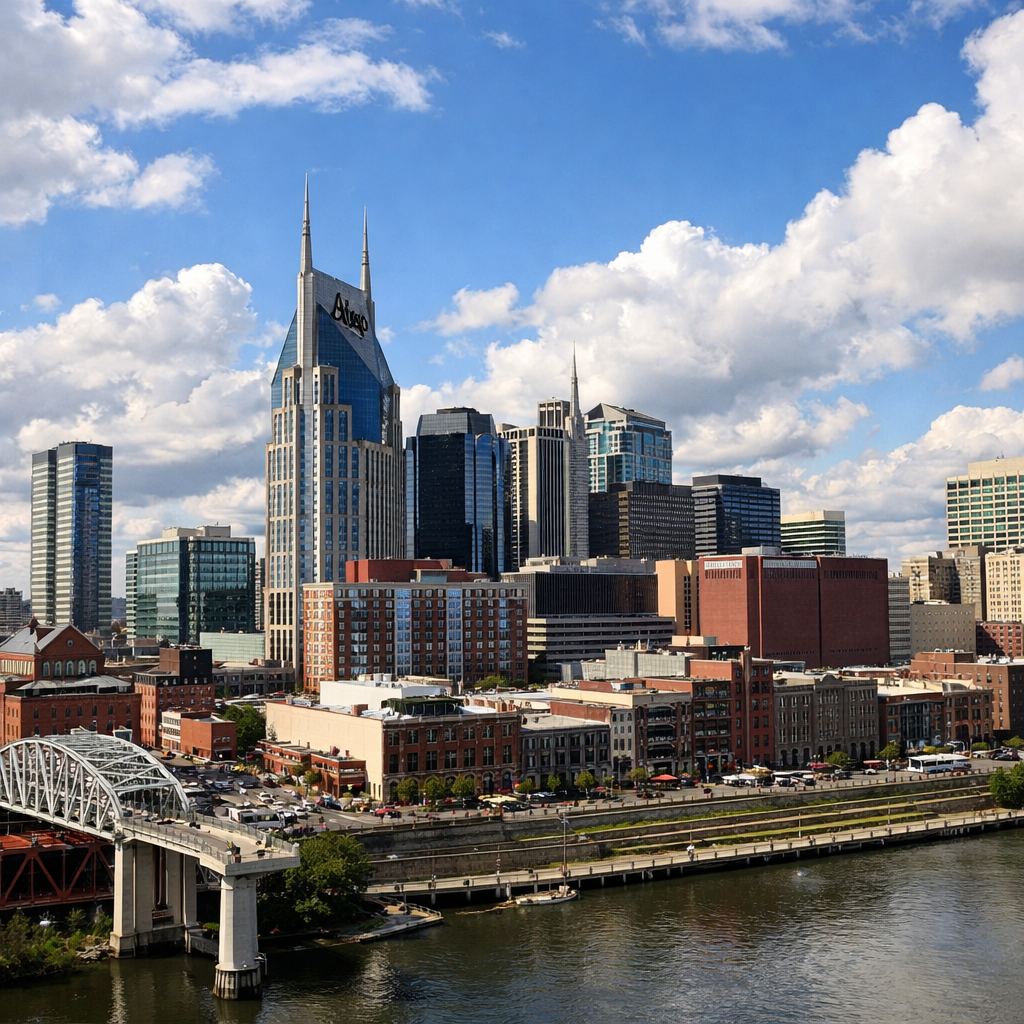
Nashville, Tennessee, experiences a humid subtropical climate characterized by four distinct seasons, each bringing its own unique weather patterns and environmental considerations.
Seasonal Weather Patterns
Spring (March to May)
Spring in Nashville is marked by gradually warming temperatures and increased rainfall. Average high temperatures rise from the mid-50s°F (13°C) in March to the mid-70s°F (24°C) by May. This season often brings thunderstorms, contributing to the lush greenery that defines the region.
Summer (June to August)
Summers are hot and humid, with average high temperatures in the upper 80s°F (31°C). July is typically the warmest month, with highs around 89°F (32°C). The combination of heat and humidity can lead to afternoon thunderstorms and occasional heat advisories.
Autumn (September to November)
Autumn offers a respite from the summer heat, with temperatures gradually cooling from the mid-80s°F (29°C) in September to the mid-60s°F (18°C) by November. This season is characterized by lower humidity and vibrant fall foliage, making it a popular time for outdoor activities.
Winter (December to February)
Winters are generally mild but can be unpredictable. Average high temperatures range from the upper 40s°F (9°C) to low 50s°F (11°C), with occasional cold snaps bringing temperatures below freezing. Snowfall is infrequent but possible, with January averaging about 1.7 inches of snow.
Environmental Challenges
Urban Heat Islands
Urbanization has led to the development of heat islands—areas where infrastructure like buildings and roads absorb and retain heat, resulting in higher temperatures compared to surrounding rural areas. Approximately 71% of Nashville residents live in neighborhoods considered heat islands, which can exacerbate the effects of heat waves and pose health risks, especially to vulnerable populations.
Increased Precipitation and Flooding
Climate change has contributed to more intense rainfall events in Nashville. Between 1970 and 2024, the intensity of hourly rainfall increased by 12%. This trend raises the risk of flash flooding, which can damage infrastructure and disrupt daily life.
Climate Resilience Efforts
Recognizing these challenges, Nashville has developed a Climate Adaptation and Resilience Plan (CARP) to address the city’s five main climate hazards: flooding, tornadoes, extreme heat, extreme cold, and thunderstorms. The plan aims to enhance the city’s ability to anticipate, adapt to, and recover from climate-driven disruptions.
Understanding Nashville’s climate and the environmental challenges it faces is crucial for residents and policymakers alike. By staying informed and proactive, the community can work together to mitigate risks and build a more resilient city.