

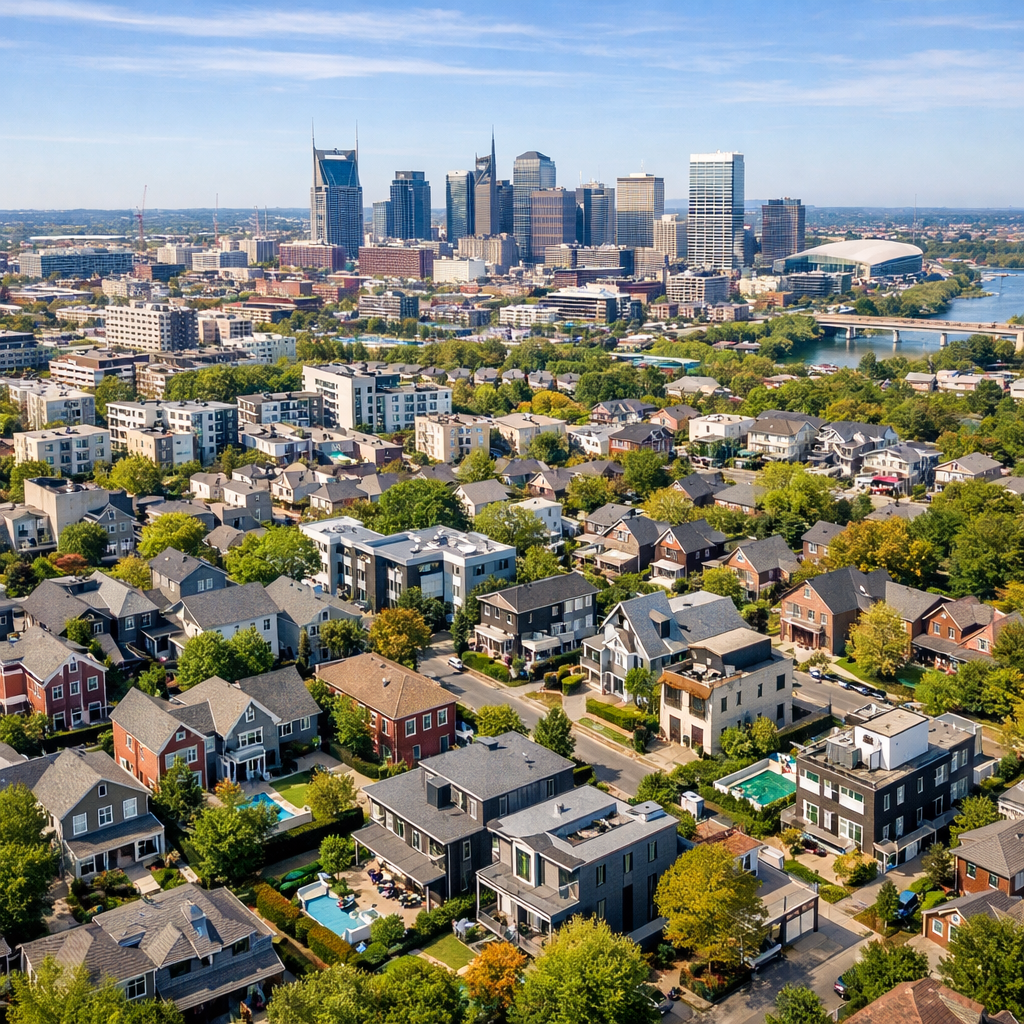
Nashville’s rapid growth has brought prosperity but also significant challenges, particularly in housing affordability. A recent Vanderbilt University poll reveals that 82% of residents feel they cannot afford to buy a home in Davidson County, highlighting a deepening crisis.
Historically, discriminatory practices like redlining have contributed to economic disparities. A housing and infrastructure study found that Black and Hispanic families can afford median-valued homes in less than 1% of Nashville’s neighborhoods, underscoring systemic inequities.
In response, city leaders have initiated efforts to increase affordable housing. Mayor Freddie O’Connell’s Unified Housing Strategy aims to boost the supply of affordable units. In fiscal year 2025, city funding supported the construction and preservation of nearly 1,800 affordable housing units. However, these measures have yet to meet the growing demand.
Community organizations are also stepping up. The Nashville Food Project, for instance, launched FeedBack Nashville to address food insecurity, recognizing that housing and food access are interconnected issues affecting residents’ well-being.
As Nashville continues to evolve, addressing housing affordability remains a pressing concern. Collaborative efforts between city officials, community organizations, and residents are essential to ensure that all Nashvillians have access to safe and affordable housing.