

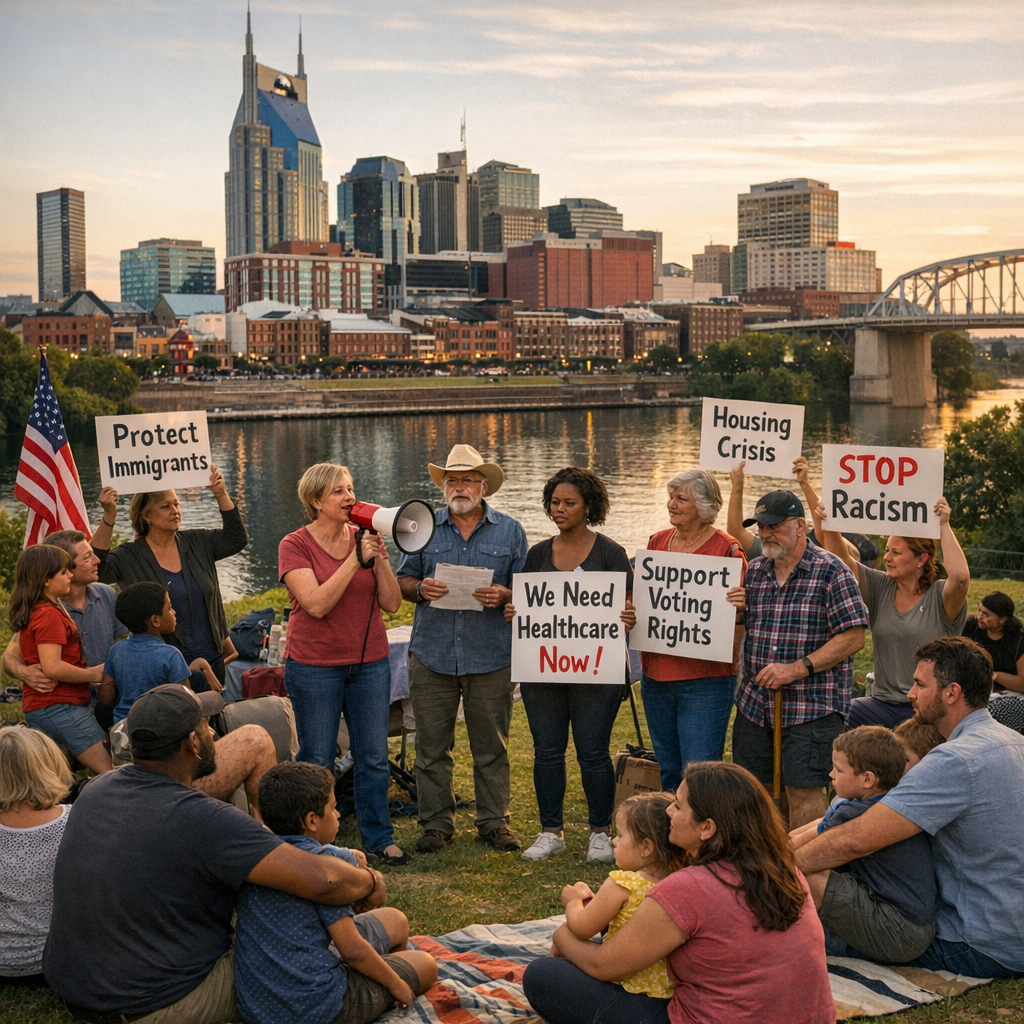
As Nashville continues to grow and evolve, the ripple effects of national policies are increasingly felt within our community. From immigration enforcement to trade disputes and public safety measures, federal actions have tangible impacts on our local economy, education system, and overall community well-being.
Immigration Enforcement and Community Dynamics
Recent federal immigration enforcement operations have led to nearly 200 arrests in Nashville, causing a palpable sense of fear among immigrant families. This atmosphere has resulted in increased absenteeism in schools, as students stay home to avoid potential encounters with law enforcement. Teachers report heightened anxiety among students, which disrupts the learning environment and places additional strain on educational resources.
Local businesses, particularly those in South Nashville, have also felt the impact. Restaurant owners have reported significant declines in sales, with some experiencing up to a 40% drop. The fear of enforcement actions has deterred customers from frequenting establishments, leading to economic challenges for business owners and employees alike.
Trade Policies and Economic Consequences
National trade policies, such as tariffs imposed on Canadian goods, have had unintended consequences for Nashville’s economy. Canada has historically been a significant source of international visitors to our city. However, recent trade tensions have led to a decrease in Canadian tourists, affecting the hospitality and tourism sectors that are vital to Nashville’s economic health.
Public Safety Measures and Community Perception
Calls for increased federal intervention in local public safety, including suggestions to deploy the National Guard, have sparked debate within the community. While some advocate for these measures citing concerns over crime rates, data indicates that violent crime in Nashville has been on a decline. Such proposals raise questions about the balance between federal authority and local governance, as well as the potential impact on community trust and cohesion.
Conclusion
The interplay between national policies and local realities underscores the importance of considering the unique characteristics and needs of communities like Nashville. As federal actions continue to influence various aspects of our city’s life, it is crucial for local leaders and residents to engage in informed discussions and collaborative efforts to navigate these challenges and opportunities.