

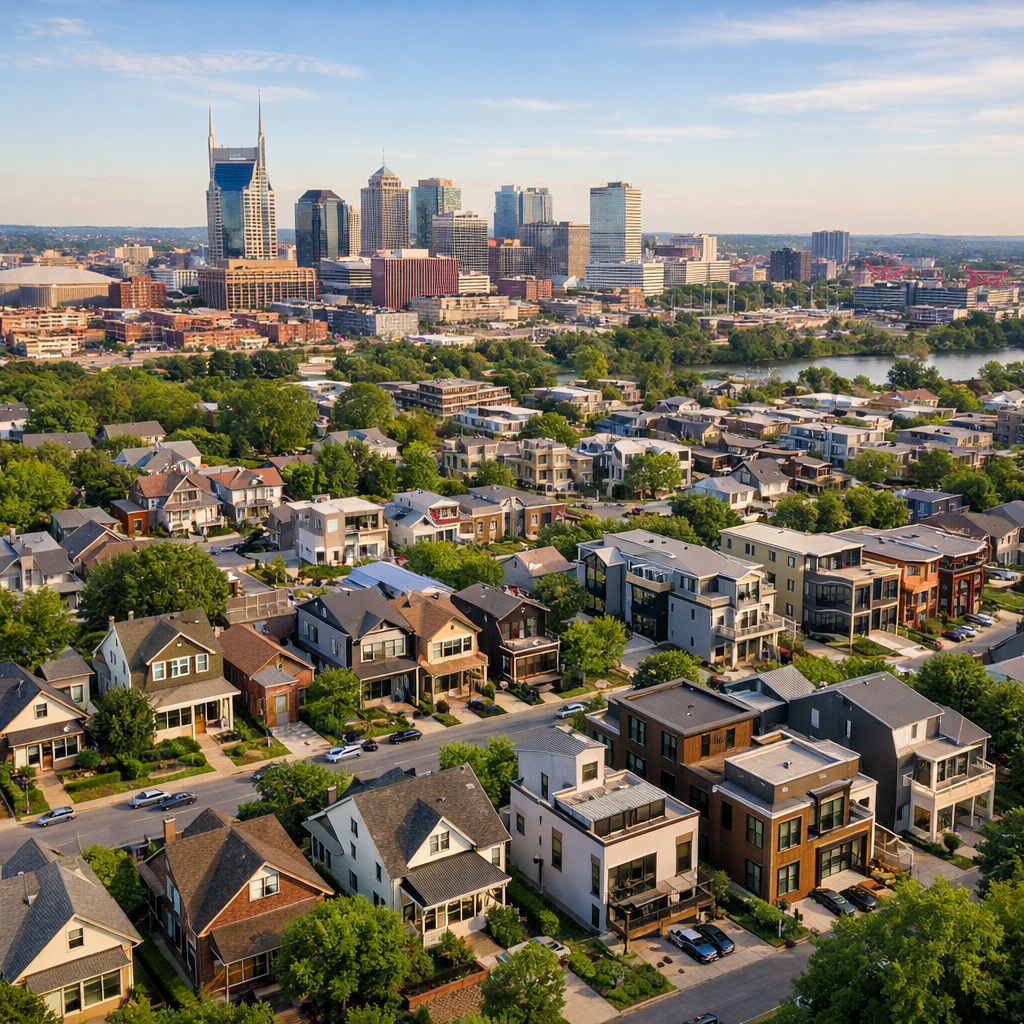
Nashville’s rapid growth has brought prosperity to many, but it has also intensified challenges for residents seeking affordable housing. Recent studies reveal that a significant majority of Nashvillians find homeownership increasingly out of reach, underscoring a deepening economic divide within the city.
Staggering Statistics
A Vanderbilt University poll indicates that 82% of Nashville residents feel they cannot afford to purchase a home in Davidson County. This sentiment reflects a broader concern about the city’s escalating cost of living and the widening gap between income levels and housing prices.
Disproportionate Impact on Minority Communities
The affordability crisis disproportionately affects African American and Hispanic families. A housing and infrastructure study found that Black families can afford median-valued homes in only 0.8% of Nashville’s neighborhoods, while Hispanic families fare slightly worse at 0.6%. These figures highlight systemic barriers to homeownership and wealth accumulation for minority communities.
Contributing Factors
Several factors contribute to this crisis:
- Rising Home Prices: Over the past five years, home prices in Nashville have surged by more than 53%, outpacing income growth and making homeownership unattainable for many.
- Income Disparities: The median household income in Nashville is approximately $91,000, yet an annual income of around $120,000 is now necessary to afford a median-priced home, creating a substantial affordability gap.
- Historical Inequities: Practices such as redlining and discriminatory land-use policies have historically marginalized minority communities, limiting their access to affordable housing and economic opportunities.
Community and Government Responses
In response to these challenges, local leaders and organizations are implementing initiatives aimed at increasing affordable housing availability. Mayor Freddie O’Connell’s administration has prioritized the development of affordable housing units and is exploring zoning reforms to allow higher-density housing along transit corridors. Additionally, community groups are advocating for policies that address income disparities and promote equitable development.
Looking Ahead
While these efforts are steps in the right direction, the path to resolving Nashville’s housing affordability crisis is complex and requires sustained collaboration between government entities, community organizations, and residents. Ensuring that all Nashvillians have access to affordable housing is essential for maintaining the city’s vibrancy and inclusivity.