

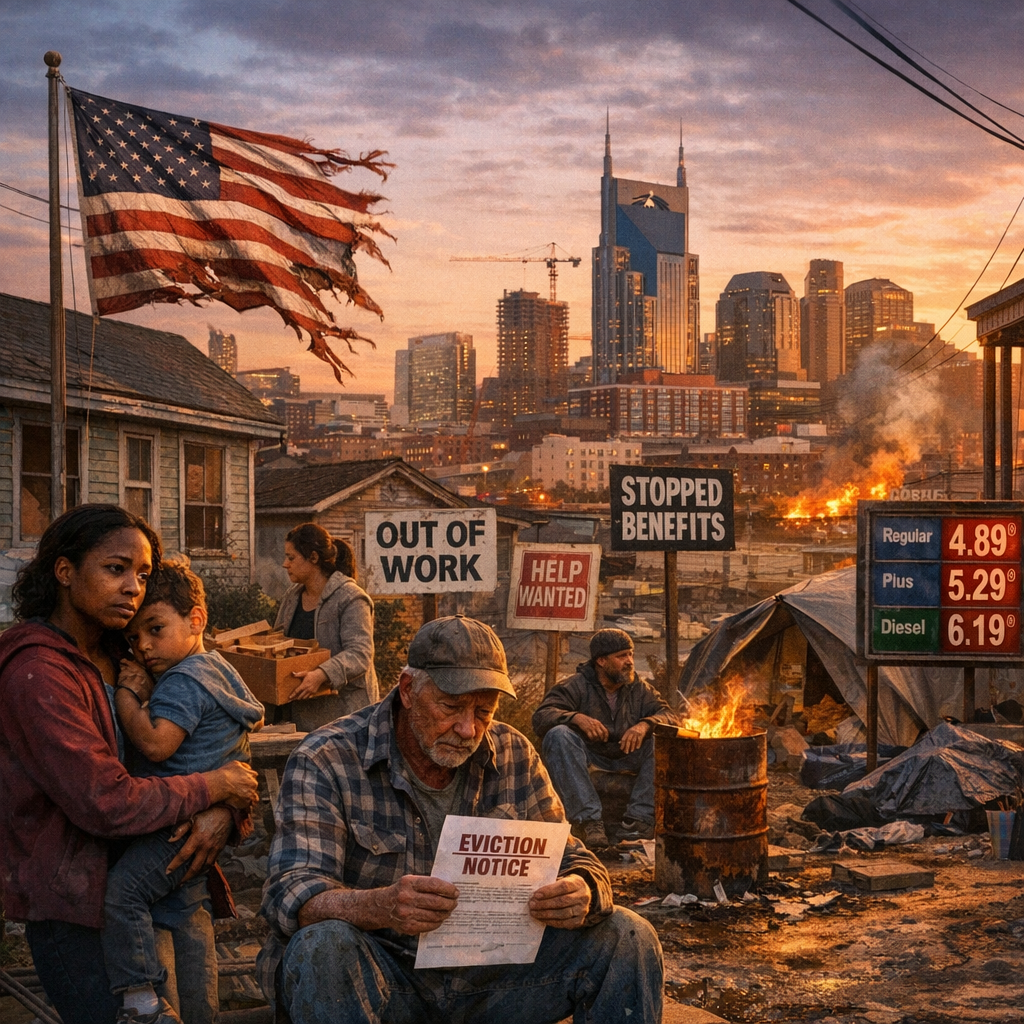
National policies often have profound effects on local communities, and Nashville is no exception. Recent federal actions in areas such as immigration enforcement, trade tariffs, and public safety initiatives have significantly influenced the city’s social and economic landscape.
Immigration Enforcement and Community Response
In 2025, coordinated operations between U.S. Immigration and Customs Enforcement (ICE) and the Tennessee Highway Patrol led to nearly 200 arrests in Nashville. These actions, particularly in neighborhoods with high immigrant populations, instilled fear among residents and disrupted daily life. Reports indicated that some individuals were detained during routine activities, such as commuting to work, causing widespread anxiety within the community.
The repercussions extended to local businesses and schools. South Nashville establishments reported a noticeable decline in sales, as customers, wary of potential raids, chose to stay home. For instance, a family-owned restaurant experienced a significant drop in patronage, with the manager noting that clients were scared and opting to remain indoors.
Educational institutions also felt the impact. Metro Nashville Public Schools observed increased absenteeism among students from immigrant families. Teachers reported that children were missing classes due to fears of encountering enforcement actions en route to school. This disruption not only affected academic performance but also heightened emotional distress among students.
Trade Policies and Economic Implications
National trade policies have also left their mark on Nashville’s economy. The imposition of tariffs on Canadian goods led to a decline in Canadian tourists, who traditionally constitute a significant portion of the city’s international visitors. This downturn affected various sectors, including hospitality and retail, underscoring the city’s vulnerability to international trade dynamics.
Public Safety Initiatives and Community Perception
In the realm of public safety, federal and state directives have influenced local policies. Despite a reported decline in violent crime rates in Nashville, calls for increased law enforcement presence, including the deployment of the National Guard, have sparked debates. While some advocate for heightened security measures, others argue that such actions may not align with the city’s current crime statistics and could strain community relations.
Conclusion
The interplay between national policies and local realities is evident in Nashville’s recent experiences. Immigration enforcement has disrupted communities and economies, trade policies have affected tourism and business, and public safety initiatives have prompted discussions on appropriate responses. As Nashville continues to navigate these challenges, the importance of considering local contexts in the implementation of national policies becomes increasingly clear.