

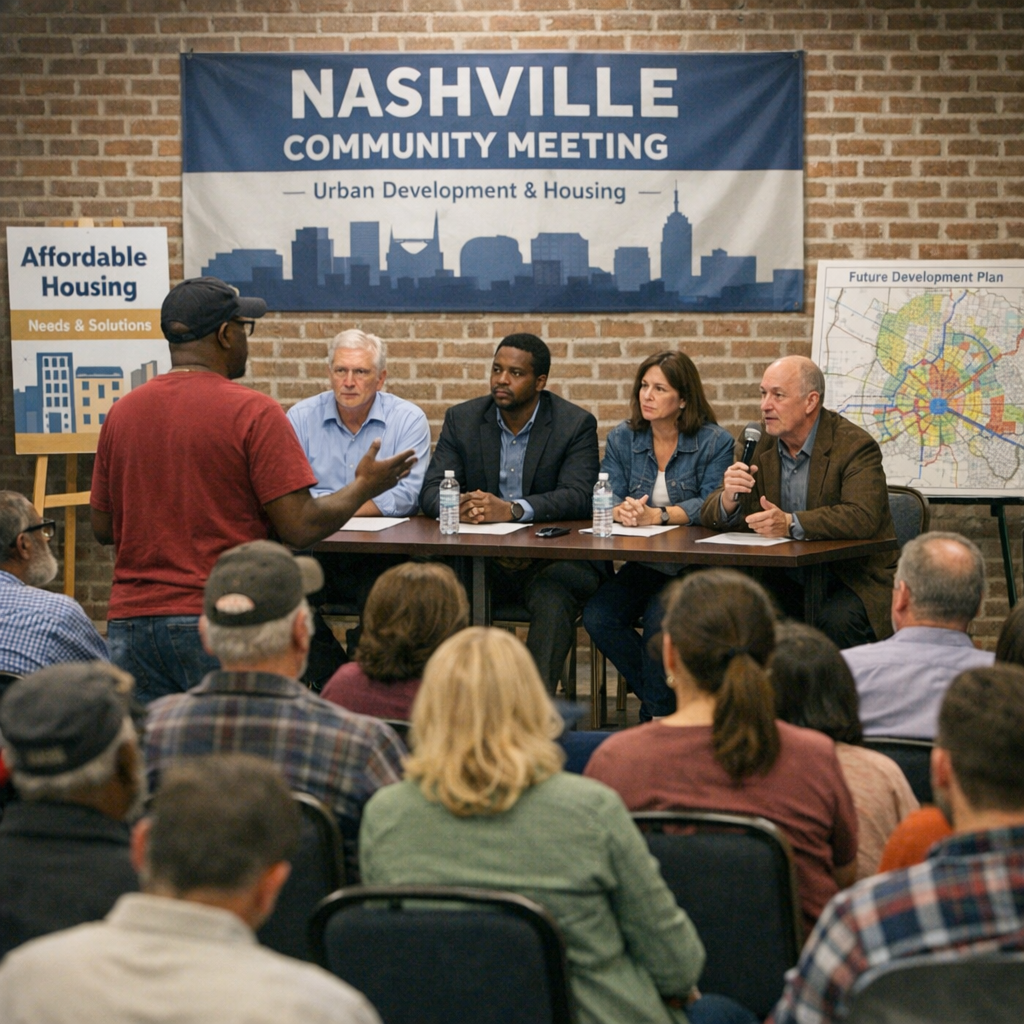
Nashville’s rapid growth has brought both opportunities and challenges, prompting city leaders and residents to address pressing community issues.
Housing Affordability and Gentrification
Recent reports highlight significant affordability challenges, particularly among African American residents. The 2026 Community Needs Evaluation revealed that 18% of African Americans in Nashville live below the poverty line, compared to the city’s overall rate of 11.9%. Additionally, nearly half of all renters are cost-burdened, spending more than 30% of their income on housing. These disparities underscore the need for targeted interventions to ensure equitable housing opportunities.
Community Health Initiatives
In response to these challenges, the Metro Public Health Department has developed a Community Health Improvement Plan. This plan outlines strategies to address health disparities and improve overall well-being, emphasizing a collaborative approach involving various stakeholders to create a healthier Nashville.
City Budget and Financial Health
On the fiscal front, Metro Nashville’s finance director, Jenneen Reed, has expressed confidence in the city’s financial health, even amidst modest revenue growth. The recently approved $3.8 billion operating budget reflects a commitment to maintaining essential services and addressing community needs. Notably, the budget includes a proposal to eliminate the city’s grocery tax, aiming to alleviate financial burdens on residents.
Community Engagement and Future Outlook
As Nashville continues to evolve, active community engagement remains crucial. Residents are encouraged to participate in public forums, provide feedback on city initiatives, and collaborate with local organizations to shape the city’s future. By working together, Nashville can navigate its growth while preserving the unique character and inclusivity that define the community.