

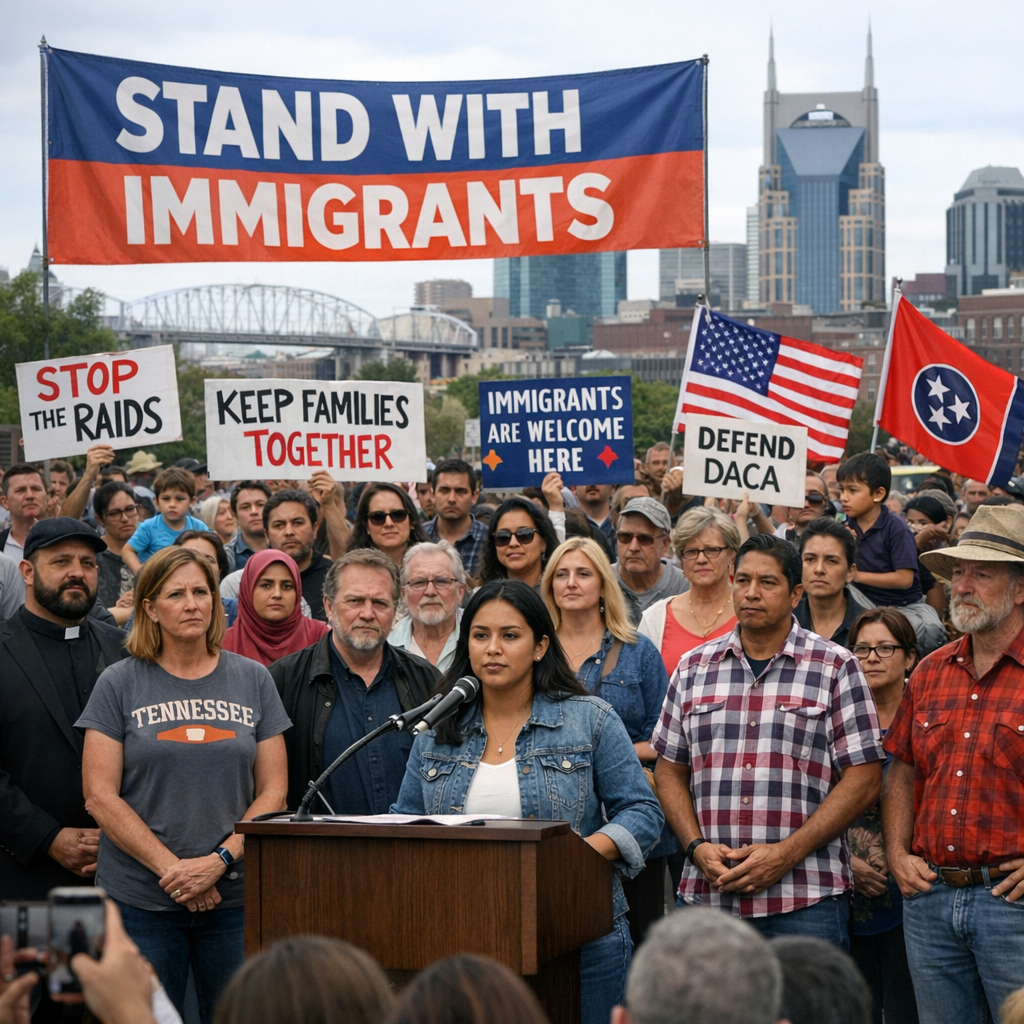
Federal policies often have profound effects on local communities, and Nashville is no exception. Recent national decisions on immigration enforcement, diversity initiatives, and economic measures have significantly influenced our city’s social and economic fabric.
Immigration Enforcement and Community Response
In early May 2025, coordinated operations between the Tennessee Highway Patrol and U.S. Immigration and Customs Enforcement (ICE) led to nearly 200 arrests in Nashville. These actions primarily targeted neighborhoods with high immigrant populations, causing widespread fear and uncertainty among residents. Many families chose to stay indoors, leading to noticeable declines in school attendance and local business patronage.
Metro Nashville Public Schools (MNPS) reported a sharp increase in absenteeism among immigrant students following these raids. Teachers observed heightened anxiety among students, with some missing multiple days of school due to fear of encountering enforcement actions en route. This disruption not only affected students’ education but also their emotional well-being.
Local businesses, particularly in South Nashville, experienced significant downturns. Restaurant owners reported sales declines of up to 40% as regular customers avoided public spaces. The Nashville Area Hispanic Chamber of Commerce highlighted concerns that such enforcement activities could have long-term detrimental effects on the local economy.
In response, city leaders, led by Mayor Freddie O’Connell, established the “Belonging Fund” to support affected residents. This initiative aims to provide assistance with childcare, transportation, housing, and food insecurity, reflecting Nashville’s commitment to its diverse community.
Diversity, Equity, and Inclusion (DEI) Initiatives Under Scrutiny
State legislation passed in April 2025 mandated the dismantling of Diversity, Equity, and Inclusion (DEI) offices within local governments and prohibited considering DEI factors in hiring or contracting decisions. This move has left Metro Nashville officials navigating legal uncertainties while striving to maintain programs that promote equal opportunity.
Metro’s legal director, Wally Dietz, defended the city’s DEI initiatives as lawful, emphasizing their role in fostering inclusivity without favoring any demographic group. Despite these challenges, Nashville remains committed to creating equitable environments for all residents.
Economic Policies and Local Implications
The conclusion of a 43-day federal government shutdown in November 2025 brought relief to many Nashville residents. Tennessee’s 32,000 federal employees, including those in Nashville, faced financial hardships during the shutdown. Additionally, approximately 700,000 Tennesseans who rely on federal SNAP benefits experienced delays in assistance, underscoring the vulnerability of essential support systems during federal disruptions.
These national events highlight the interconnectedness of federal policies and local realities. As Nashville continues to grow and diversify, understanding and addressing the impacts of such policies remain crucial for fostering a resilient and inclusive community.