

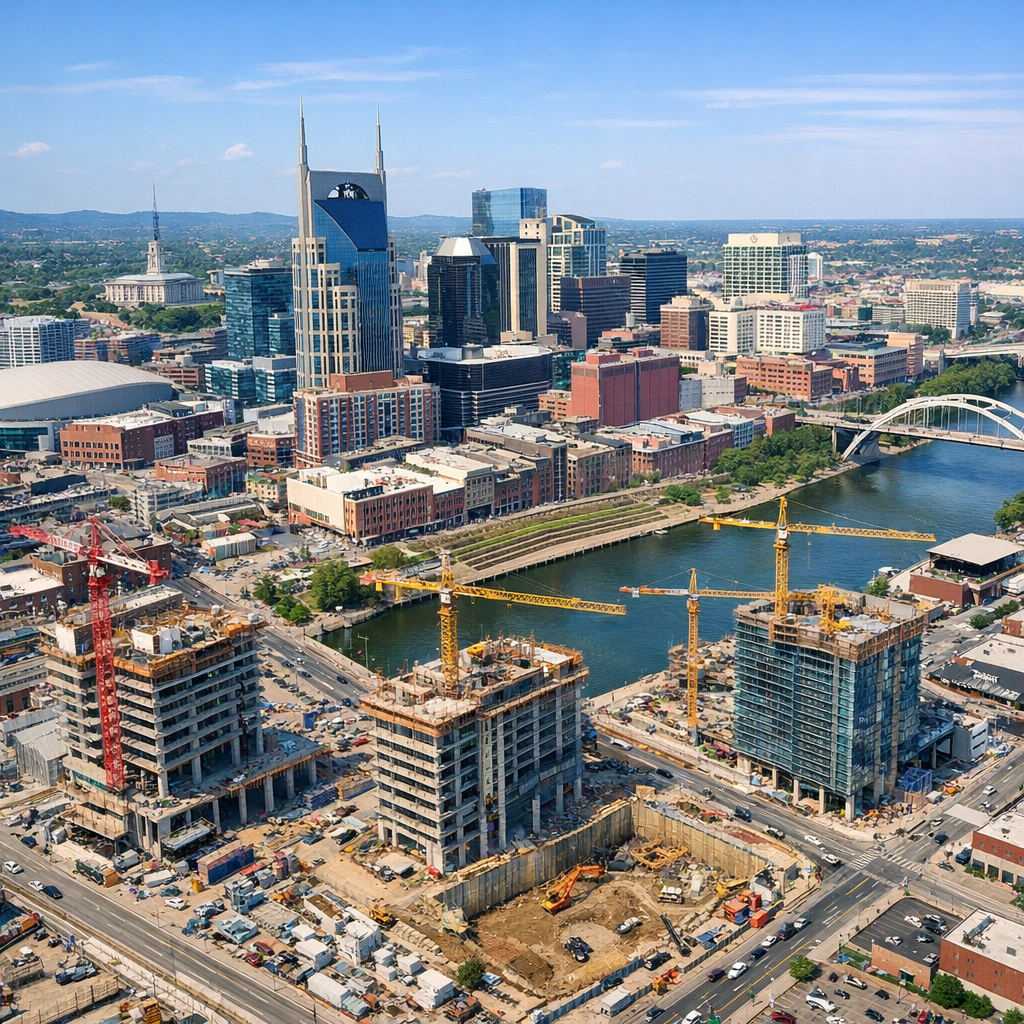
Nashville has experienced significant population growth in recent years, reflecting broader national patterns. This surge presents both opportunities and challenges for the city.
Population Growth and Its Implications
In 2025, Davidson County added nearly 9,300 residents, the highest increase among Tennessee’s 95 counties. This growth underscores challenges such as rising home prices, increased traffic, and extensive construction projects. Conversely, it brings opportunities in innovation, new businesses, and high-paying jobs.
Housing Market Dynamics
The COVID-19 pandemic reshaped Nashville’s housing market, leading to soaring home prices due to low borrowing costs and the rise of remote work. This trend has made homeownership increasingly unattainable for many residents, prompting a shift toward suburban areas in search of affordability.
Economic and Educational Factors
Data from 2024 indicates that a college education significantly influences income levels in Nashville. Adults without a college degree earned a median income of $41,393, highlighting the wage gap between high school graduates and those with higher education. Initiatives like Tennessee Reconnect aim to address these disparities by offering tuition-free community or technical college education to residents aged 25 and older.
Infrastructure and Transportation
To accommodate the growing population, Nashville has invested in infrastructure and transportation. The ‘Choose How You Move’ program, initiated in 2024, focuses on transit projects, including sidewalk improvements, smart signals, and enhancements to public transportation. By January 2026, WeGo announced the addition of 12 new buses to their fleet, with ridership increasing by 7.3% from the previous year.
Conclusion
Nashville’s rapid growth mirrors national trends, highlighting challenges in housing, infrastructure, and services. Addressing these issues requires strategic planning and investment to ensure sustainable development and maintain the city’s quality of life.