

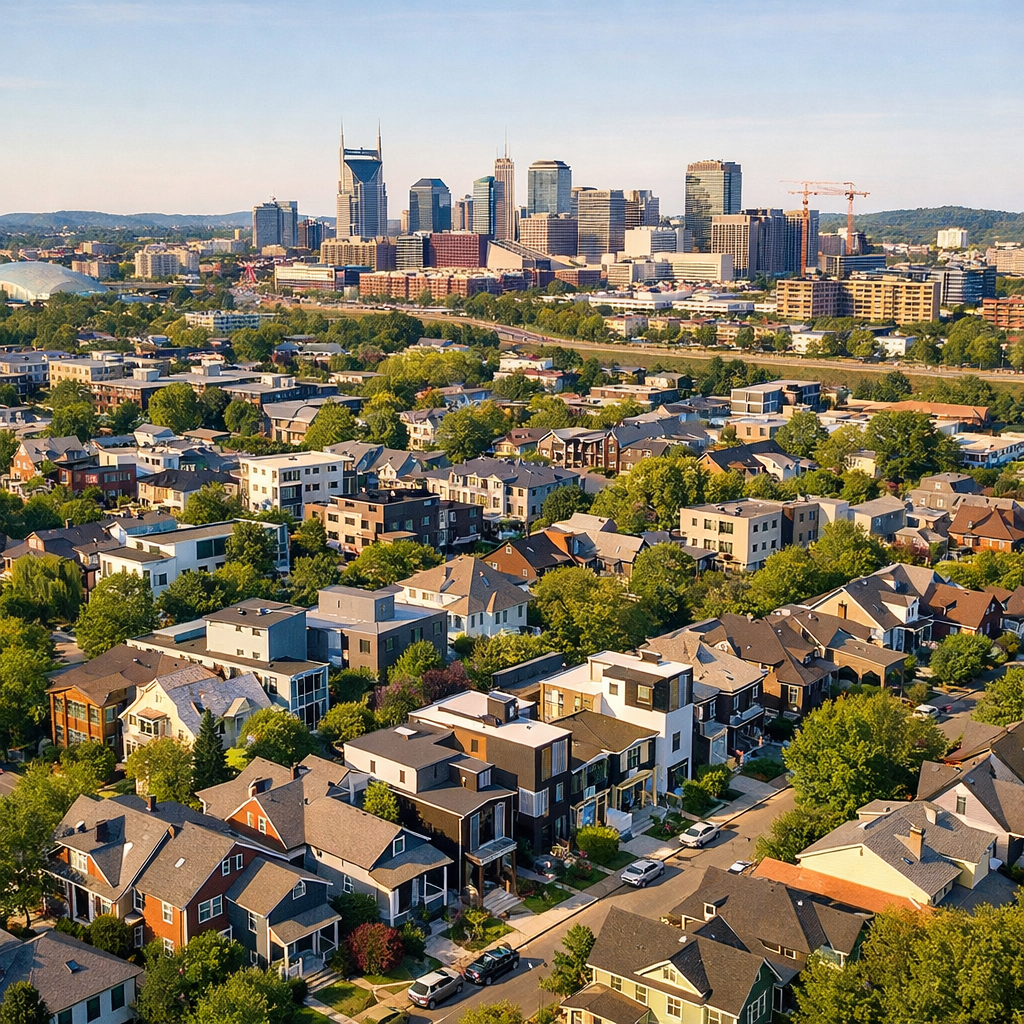
Nashville’s rapid growth has brought prosperity and vibrancy to our city, but it has also intensified housing affordability challenges for many residents. Recent studies and community feedback highlight the pressing need for comprehensive strategies to ensure equitable access to housing.
Current Housing Landscape
According to a Vanderbilt University poll, 82% of Nashvillians feel they cannot afford to buy a home in Davidson County. This sentiment reflects the widening gap between median household incomes and the rising costs of homeownership. The median household income in Nashville is approximately $91,000, yet an annual income of around $120,000 is now necessary to afford a median-priced home. This $30,000 disparity underscores the financial strain on many residents.
Disproportionate Impact on Minority Communities
The housing affordability crisis disproportionately affects minority communities. A housing and infrastructure study revealed that Black and Hispanic families can afford median-valued homes in less than 1% of Nashville’s 481 neighborhoods—specifically, just 0.8% for Black families and 0.6% for Hispanic families. This stark finding points to the city’s ongoing housing crisis, deepened by a long history of discriminatory practices such as redlining and racist land-use policies.
Community Initiatives and Policy Responses
In response to these challenges, city leaders have initiated several measures. Mayor Freddie O’Connell has emphasized the importance of affordable housing in his administration’s agenda. In fiscal year 2025, city funding supported the construction and preservation of nearly 1,800 affordable housing units. Additionally, the city’s Unified Housing Strategy aims to increase the supply of affordable housing through zoning reforms and incentives for developers.
Community organizations are also playing a pivotal role. The Nashville Food Project, for instance, has launched initiatives to address food insecurity, recognizing the interconnectedness of housing stability and access to basic necessities.
Looking Ahead
While these efforts are commendable, the path forward requires sustained collaboration between government agencies, community organizations, and residents. Addressing the housing affordability crisis is not solely about increasing the number of affordable units but also about ensuring that all Nashvillians, regardless of their background, have the opportunity to thrive in our growing city.
As we continue to navigate these challenges, it’s imperative that we remain committed to creating a Nashville that is inclusive and accessible to all.