

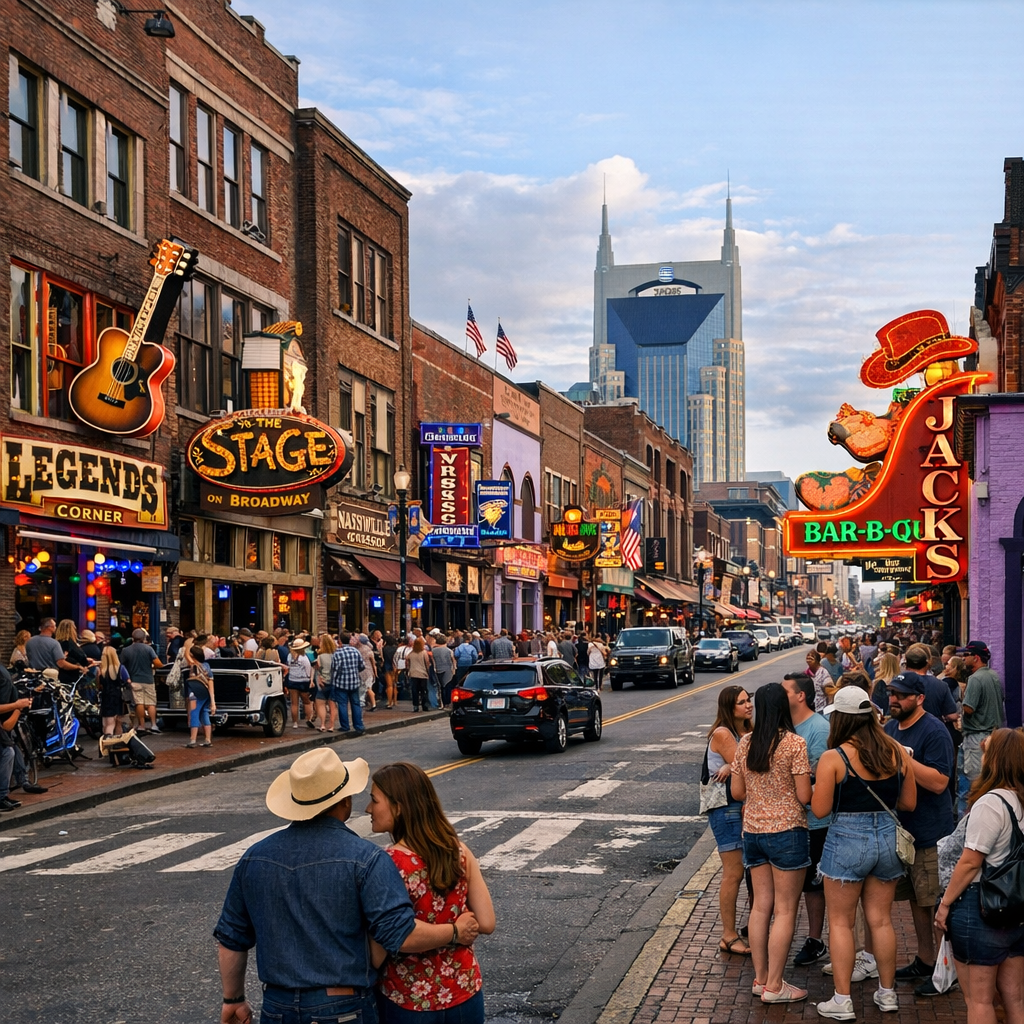
Nashville continues to experience significant economic growth, marked by a robust job market and increasing corporate investments. However, this expansion brings challenges, particularly in housing affordability and infrastructure development.
Job Market and Corporate Investments
The city’s employment landscape remains strong, with total employment reaching a record high of 1.2 million and an unemployment rate of 2.9%, well below the national average. Key industries such as healthcare, finance, and hospitality have all posted moderate growth over the past year. Notably, Starbucks announced a $100 million investment to establish a major corporate hub in Nashville, expected to create 2,000 jobs over the next five years. This move underscores Nashville’s growing appeal as a corporate destination beyond traditional headquarters locations.
Housing Market Dynamics
As Nashville’s population continues to grow, the housing market has seen notable changes. Home sales totaled 2,971 transactions in April, up 1.6% year over year. Active listings rose 17.8% year over year, with 13,724 homes listed for sale, the highest amount since October 2019. The average sales price increased by 1.1% to $475,000. Suburban areas like Murfreesboro, Lebanon, and Mount Juliet have experienced the highest sales volume, reflecting a shift towards more affordable housing options.
Infrastructure and Community Development
The Nashville International Airport (BNA) experienced a record-breaking year, welcoming 24.7 million passengers in the 2024-25 fiscal year, a 4.2% increase compared to the previous year. This surge in activity coincides with substantial investments in infrastructure improvements, including new gates, amenities, and the introduction of international flights. Additionally, the Nashville Convention and Visitors Corp. launched a campaign promoting respect and responsibility among both tourists and locals, aiming to address quality-of-life issues arising from the city’s booming tourism industry.
Challenges and Considerations
Despite the positive economic indicators, challenges persist. The rapid population growth has led to increased demand for housing, putting pressure on affordability. Efforts to balance development with community needs are ongoing, as seen in the opposition to a proposed data center near the Nashville Zoo, highlighting the importance of careful site selection in urban planning.
In conclusion, Nashville’s economic landscape is characterized by dynamic growth and evolving challenges. Continued collaboration between public and private sectors will be essential to sustain this momentum while addressing the needs of the community.