

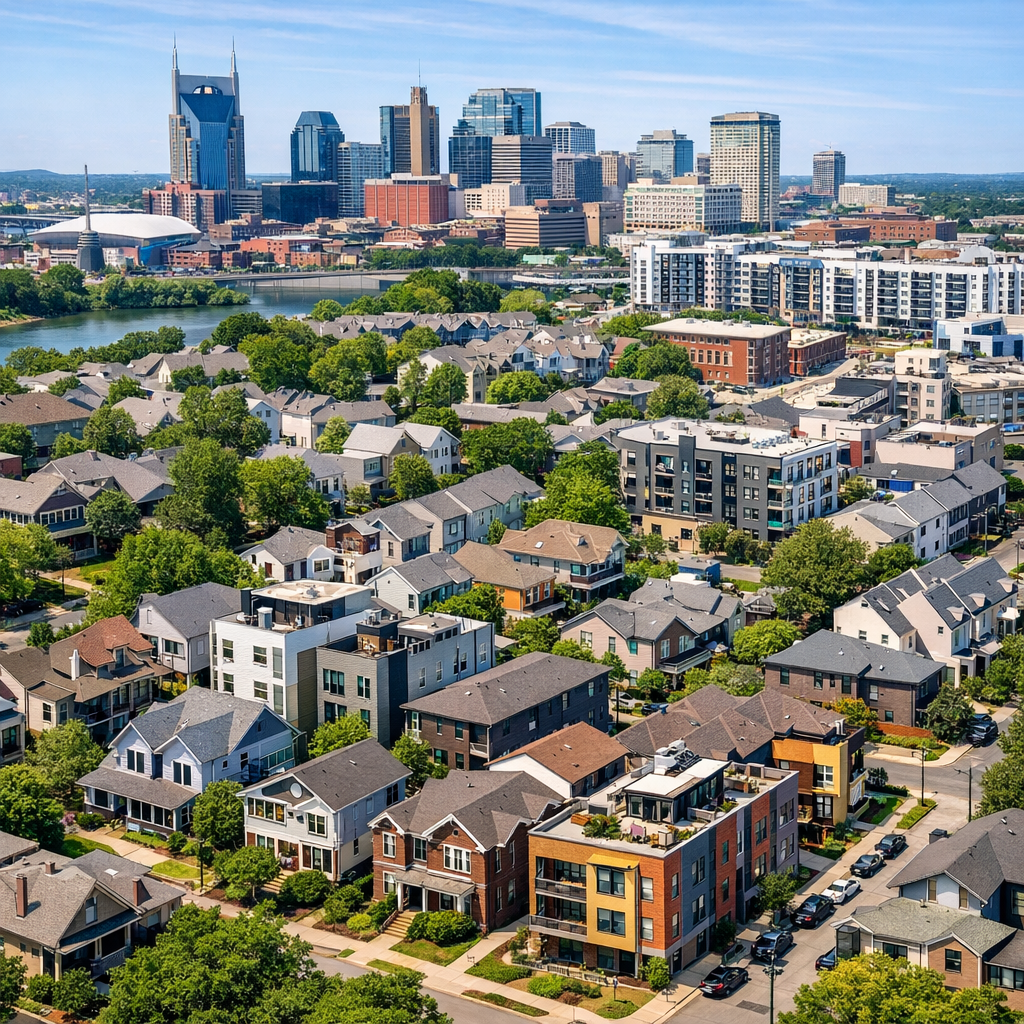
Nashville’s rapid growth has brought prosperity to many, but it has also intensified housing affordability challenges for a significant portion of its residents. Recent studies and surveys paint a concerning picture of the city’s housing landscape.
Widespread Affordability Concerns
A Vanderbilt University poll revealed that 82% of Nashvillians feel they cannot afford to purchase a home in Davidson County. This sentiment underscores the mounting economic pressures faced by residents amid rising property values and living costs.
Disproportionate Impact on Minority Communities
The housing crisis has hit Black and Hispanic families particularly hard. A comprehensive study found that these families can afford median-valued homes in less than 1% of Nashville’s 481 neighborhoods—specifically, just 0.8% for Black families and 0.6% for Hispanic families. This stark disparity highlights the enduring effects of historical discriminatory practices and the urgent need for equitable housing solutions.
Community Initiatives and Policy Responses
In response to these challenges, local organizations and government agencies are taking action. Metro Social Services released an interactive mapping tool to identify areas experiencing gentrification, wage disparities, and social risks. This resource aims to inform policy decisions and community interventions to address the root causes of housing inequities.
Additionally, the city’s Community Health Improvement Plan outlines strategies to improve overall well-being, recognizing that stable and affordable housing is a critical determinant of health.
Looking Ahead
While Nashville continues to thrive economically, the housing affordability crisis poses a significant threat to the city’s inclusivity and diversity. Addressing this issue requires a concerted effort from policymakers, community leaders, and residents to develop sustainable solutions that ensure all Nashvillians have access to safe and affordable housing.