

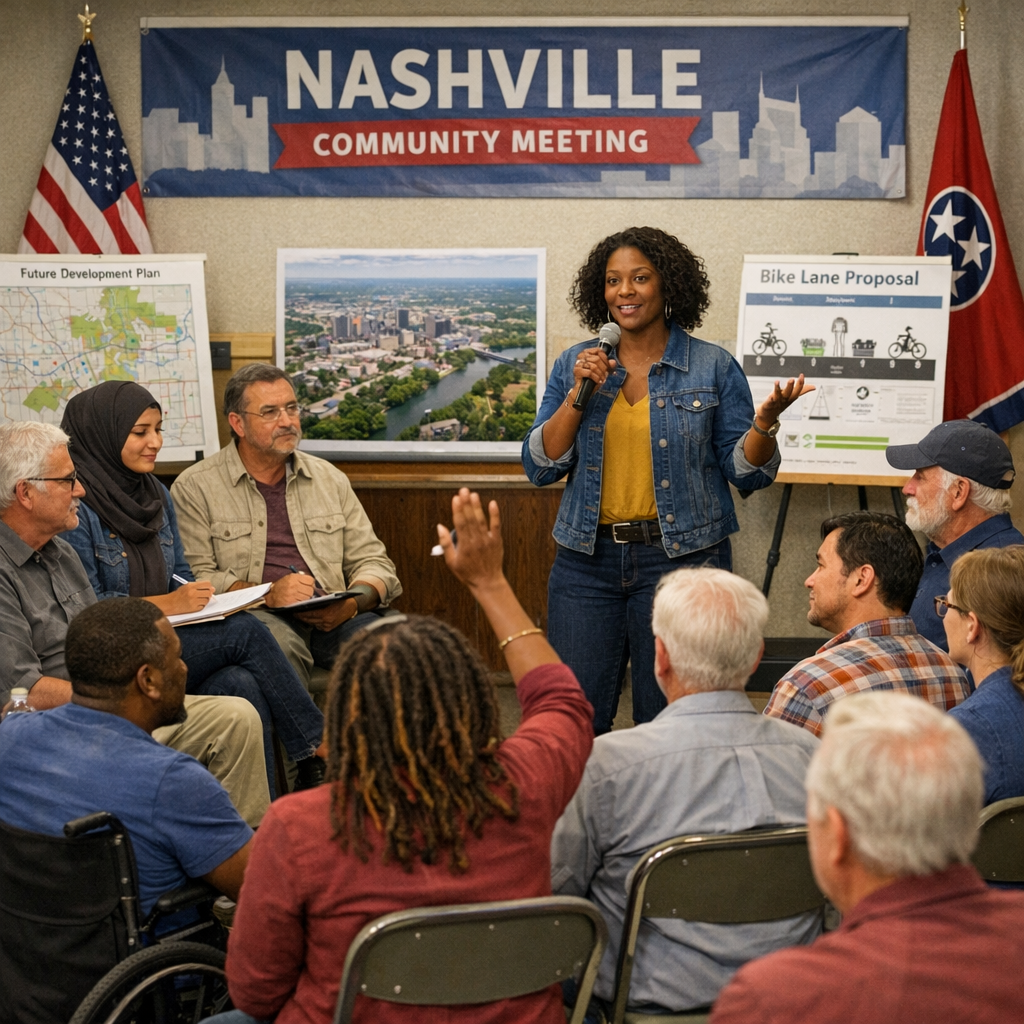
Nashville continues to experience significant growth and change, prompting both optimism and concern among its residents. Recent developments highlight the city’s financial health, community challenges, and initiatives aimed at fostering a more inclusive and vibrant community.
Financial Health and Budget Developments
Metro Nashville’s finance director, Jenneen Reed, has expressed confidence in the city’s financial stability, even amidst modest revenue growth. The Metro Council is preparing to vote on a $3.8 billion operating budget, which includes a proposal to eliminate the city’s grocery tax. Reed emphasized a new fiscal policy requiring Nashville to maintain 17% of all operating funds and 50% of debt service obligations in reserve, reflecting a conservative approach to financial management in uncertain economic times.
Community Concerns: Affordability and Gentrification
Affordability remains a pressing issue, particularly for African American residents. The 17th annual Community Needs Evaluation report by Metro Social Services highlights that African Americans in Nashville face significant affordability challenges compared to other residents. The report identifies both historical and contemporary causes of the city’s wealth gap and forecasts potential future impacts.
Additionally, a new interactive mapping tool released by Metro Social Services sheds light on gentrification, wages, and poverty in Nashville. The tool identifies areas experiencing demographic shifts and displacement pressures due to rising incomes, housing values, and development activities.
Community Initiatives and Engagement
In response to these challenges, various community initiatives have emerged. Residents are finding creative ways to build connections with their neighbors, countering national trends of declining neighborhood interaction. Simple strategies such as hosting casual gatherings, organizing group activities, and fostering daily interactions have proven effective in strengthening community bonds.
Furthermore, the Metro Public Health Department, in collaboration with local hospitals and organizations, has developed a Community Health Improvement Plan. This action-oriented plan outlines strategies to address priority health issues, aiming to improve the overall well-being of Nashville residents.
Looking Ahead
As Nashville continues to evolve, it is crucial for city leaders and residents to work collaboratively to address these challenges. By fostering community engagement, implementing thoughtful policies, and prioritizing inclusivity, Nashville can navigate its growth while preserving the unique character and vibrancy that define the city.