

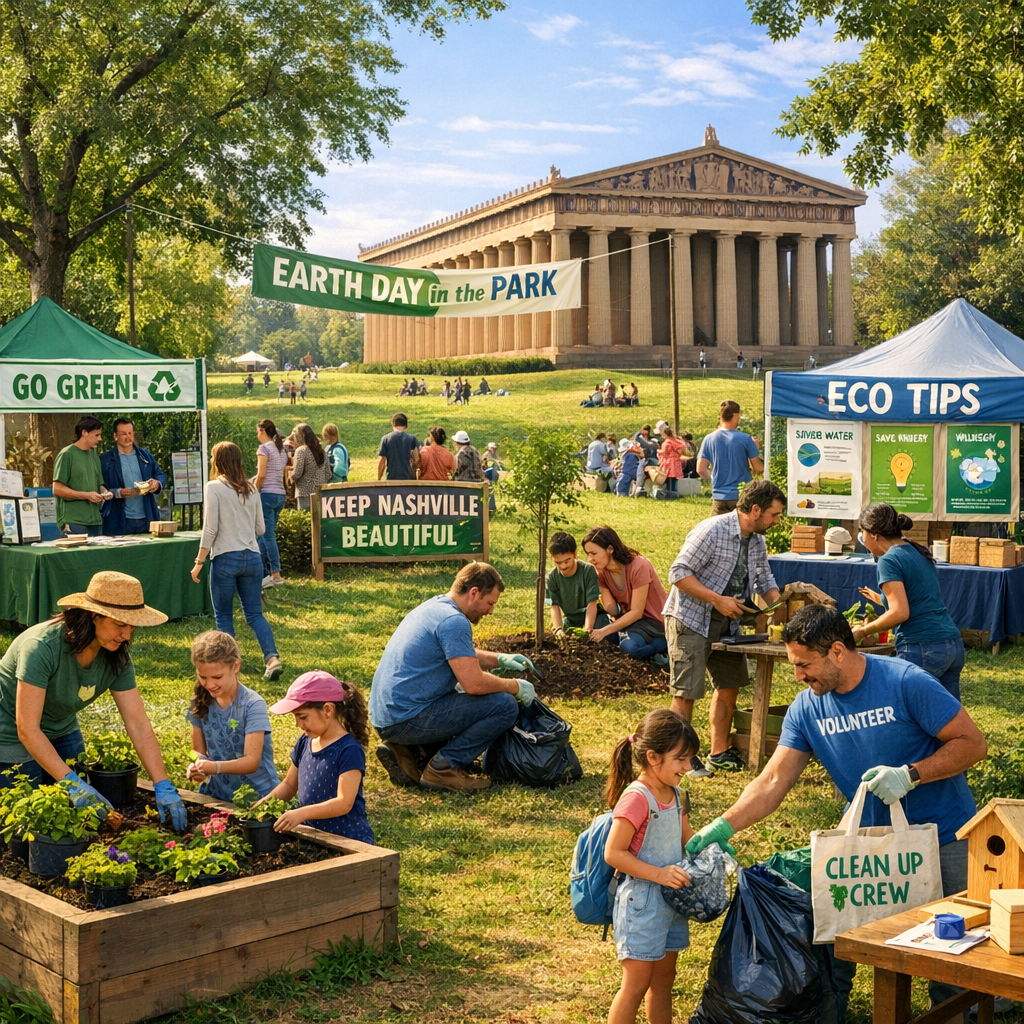
Nashville’s dedication to environmental sustainability is evident through various community-driven initiatives and city-led programs. These efforts aim to enhance the city’s resilience, promote sustainable practices, and foster a greener future for all residents.
City-Led Sustainability Initiatives
The Mayor’s Office has outlined a comprehensive approach to sustainability, focusing on equitable growth, preservation of natural resources, and climate change mitigation. Key areas of focus include:
- Sustainability: Implementing strategies to minimize consumption of finite resources and ensure future generations thrive.
- Resilience: Preparing communities and infrastructure to withstand severe weather events and adapt to climate change.
- Environmental Stewardship: Protecting and expanding green spaces, tree canopies, and waterways to maintain ecological balance.
These initiatives are guided by plans such as NashvilleNext, the Climate Action Plan, and the Parks and Greenways Master Plan, which collectively aim to create a sustainable and resilient urban environment.
Community Engagement and Education
Organizations like Urban Green Lab play a pivotal role in educating communities on sustainable living. By offering programs that reach educators, businesses, and households, they empower individuals to make environmentally conscious decisions in their daily lives.
Additionally, the Nashville Food Waste Initiative focuses on reducing food waste through prevention, rescue, and recycling strategies. This project collaborates with local entities to develop tools and practices that address food waste challenges effectively.
Annual Earth Day Celebrations
Each year, Nashville Earth Day brings the community together to celebrate the planet and promote environmental awareness. Organized by the Centennial Park Conservancy, the event features live demonstrations, music, children’s activities, and informational booths. Proceeds from the festival support local environmental projects, including tree planting and pollinator garden installations, contributing to the city’s green infrastructure.
Educational Institutions Leading by Example
Metro Nashville Public Schools (MNPS) demonstrate a commitment to sustainability through various initiatives:
- Energy Efficiency: Achieving a 20% annual reduction in energy consumption by implementing energy-efficient designs and construction standards.
- Renewable Energy: Installing solar energy systems and utilizing geothermal HVAC systems to reduce energy use.
- Green Infrastructure: Incorporating green roofs and other sustainable features in school facilities to promote environmental stewardship among students.
Zero Waste Goals
Nashville’s Solid Waste Master Plan aims to divert 90% of waste from landfills by emphasizing reduction, reuse, recycling, and composting. This ambitious goal addresses the city’s higher-than-average waste generation and seeks to foster a culture of sustainability among residents.
Through these collective efforts, Nashville continues to make significant strides toward environmental sustainability, demonstrating the power of community engagement and proactive governance in creating a greener future.