

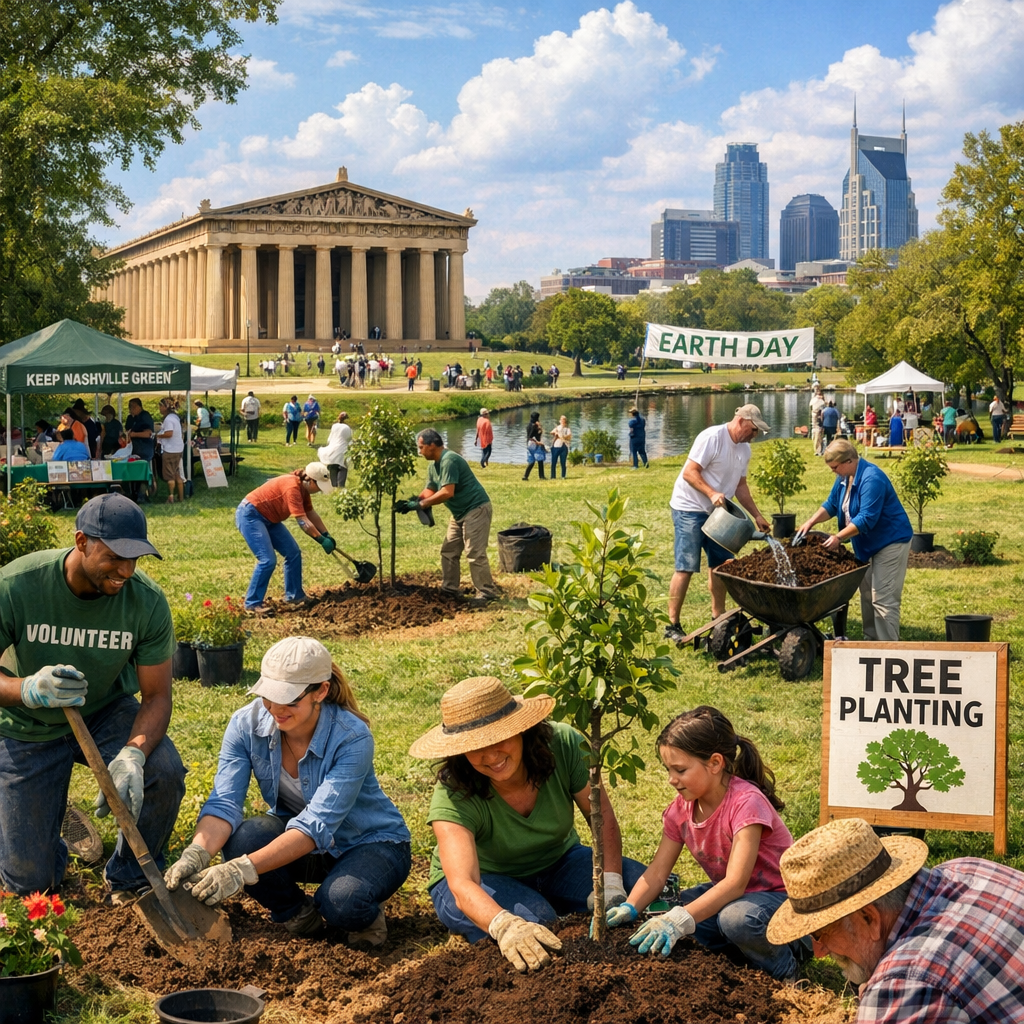
Nashville’s dedication to environmental sustainability is evident through various community-driven initiatives and city-led programs. These efforts aim to preserve the city’s natural resources, promote sustainable practices, and enhance the quality of life for all residents.
City-Led Sustainability Initiatives
The Mayor’s Office has outlined a comprehensive approach to sustainability, focusing on reducing greenhouse gas emissions, conserving natural resources, and preparing for climate change impacts. Key initiatives include:
- Fleet Electrification Program: Aiming for a 100% zero-emissions Metro government fleet by 2050, excluding emergency response vehicles.
- Strategic Energy Management Plan: Developing strategies to reduce energy and water use across Metro-owned buildings.
Additionally, the city has launched the Ecological Conservation Strategy (ECS), a countywide plan to balance growth with the preservation of natural landscapes and ecosystems. This 18-month planning effort seeks to understand the effects of recent growth on the local landscape and develop recommendations to protect and connect Nashville’s natural spaces.
Community Engagement and Education
Organizations like Urban Green Lab play a pivotal role in educating communities on sustainable living. Their programs have reached nearly half of Davidson County’s zip codes, training educators and engaging organizations to promote sustainability practices.
Furthermore, the Nashville Earth Day festival, managed by the Centennial Park Conservancy, has become a cornerstone event for environmental awareness. Since 2020, proceeds from the festival have funded various environmental projects, including the planting of over 380 trees in local parks and schools, and the introduction of bee hives to promote pollination.
Urban Greening Efforts
The establishment of the Nashville Downtown Arboretum showcases the city’s commitment to enhancing its urban tree canopy. Featuring over 3,000 trees along sidewalks and public areas, this initiative not only beautifies the city but also contributes to environmental health by improving air quality and providing shade.
Challenges and Community Response
Despite these positive strides, challenges remain. The Nashville Zoo recently led opposition against the construction of a large data center adjacent to its grounds, citing concerns over potential threats to animal welfare and environmental impacts. This situation underscores the importance of community involvement in environmental decision-making processes.
In conclusion, Nashville’s journey toward environmental sustainability is a collaborative effort involving city leadership, community organizations, and residents. Through continued engagement and proactive initiatives, the city aims to create a sustainable and resilient environment for future generations.