

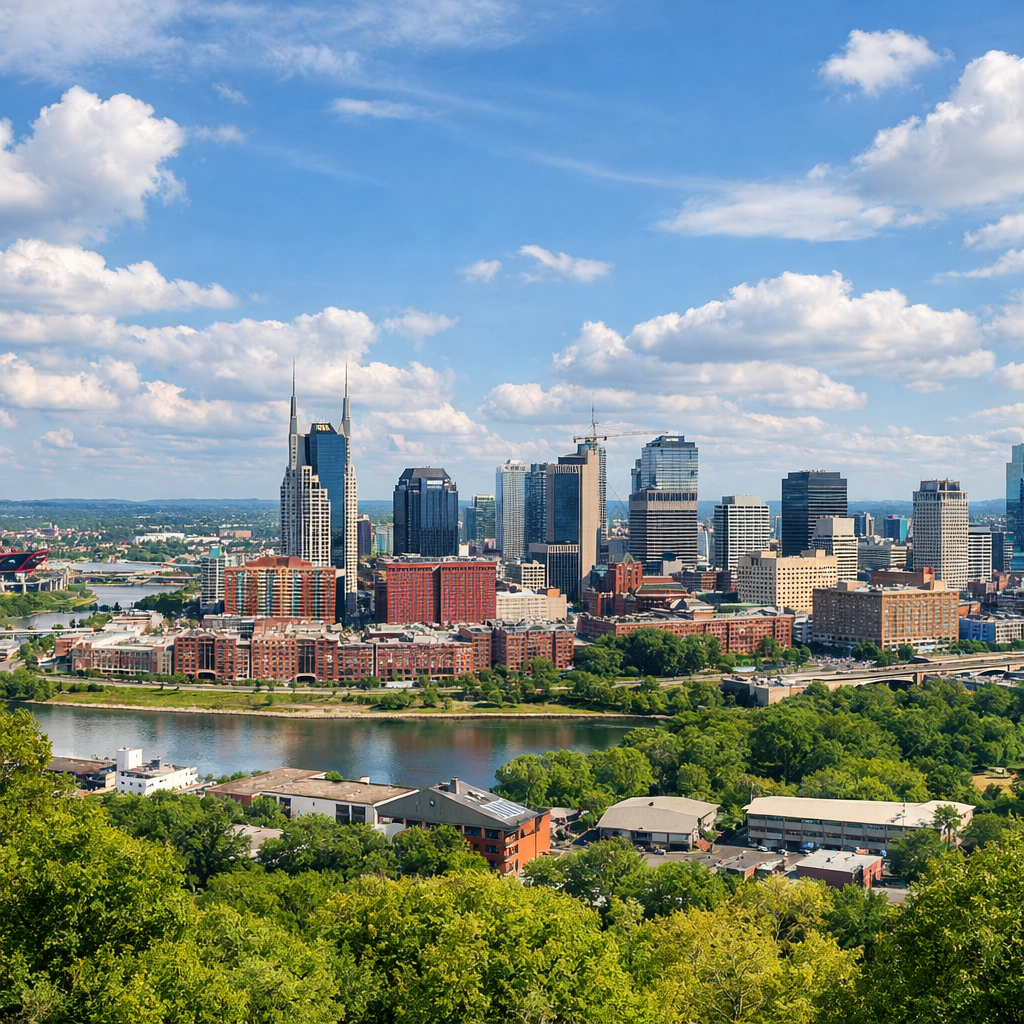
Nashville, Tennessee, experiences a humid subtropical climate characterized by hot, humid summers and mild to cool winters. Understanding these patterns can help residents prepare for seasonal changes and environmental challenges.
Seasonal Weather Patterns
Spring (March to May)
Spring brings gradually warming temperatures, with average highs increasing from the low 60s°F in March to the upper 70s°F by May. This season also sees increased rainfall, averaging around 5 inches per month, contributing to lush greenery and blooming flora.
Summer (June to August)
Summers are hot and humid, with average highs in the upper 80s°F and lows in the upper 60s°F. July is typically the warmest month, with average highs around 89°F. Thunderstorms are common, often providing brief but intense rainfall.
Autumn (September to November)
Autumn offers relief from the summer heat, with temperatures gradually decreasing from the low 80s°F in September to the low 60s°F by November. Rainfall averages around 3.5 inches per month, and the changing foliage provides picturesque landscapes.
Winter (December to February)
Winters are mild to cool, with average highs in the upper 40s°F to low 50s°F and lows in the low 30s°F. Snowfall is infrequent but possible, with occasional cold snaps bringing temperatures below freezing.
Environmental Challenges
Flooding
Nashville’s location in the Cumberland River basin makes it susceptible to flooding, especially during heavy rainfall events. The May 2010 flood remains a significant event, causing extensive damage and highlighting the need for effective flood management strategies.
Urban Heat Islands
The city’s rapid development has led to the creation of urban heat islands—areas with higher temperatures due to dense infrastructure and limited green spaces. Approximately 71% of Nashville residents live in these heat-prone neighborhoods, which can exacerbate health risks during heatwaves.
Air Quality
Recent studies have found that Nashville experiences levels of fine particulate matter pollution that exceed federal standards, posing health risks to residents. Efforts are underway to address these concerns and improve air quality across the city.
Preparing for Nashville’s Climate
Residents can take several steps to adapt to Nashville’s climate:
- Stay Informed: Regularly check local weather forecasts and heed advisories, especially during extreme weather events.
- Flood Preparedness: Be aware of flood-prone areas and have an emergency plan in place. Consider flood insurance if residing in vulnerable zones.
- Heat Mitigation: Utilize cooling centers during heatwaves, stay hydrated, and limit outdoor activities during peak heat hours.
- Air Quality Awareness: Monitor air quality indices and reduce outdoor activities when pollution levels are high, particularly for vulnerable populations.
By understanding and preparing for Nashville’s climate and environmental challenges, residents can enhance their resilience and well-being throughout the year.