

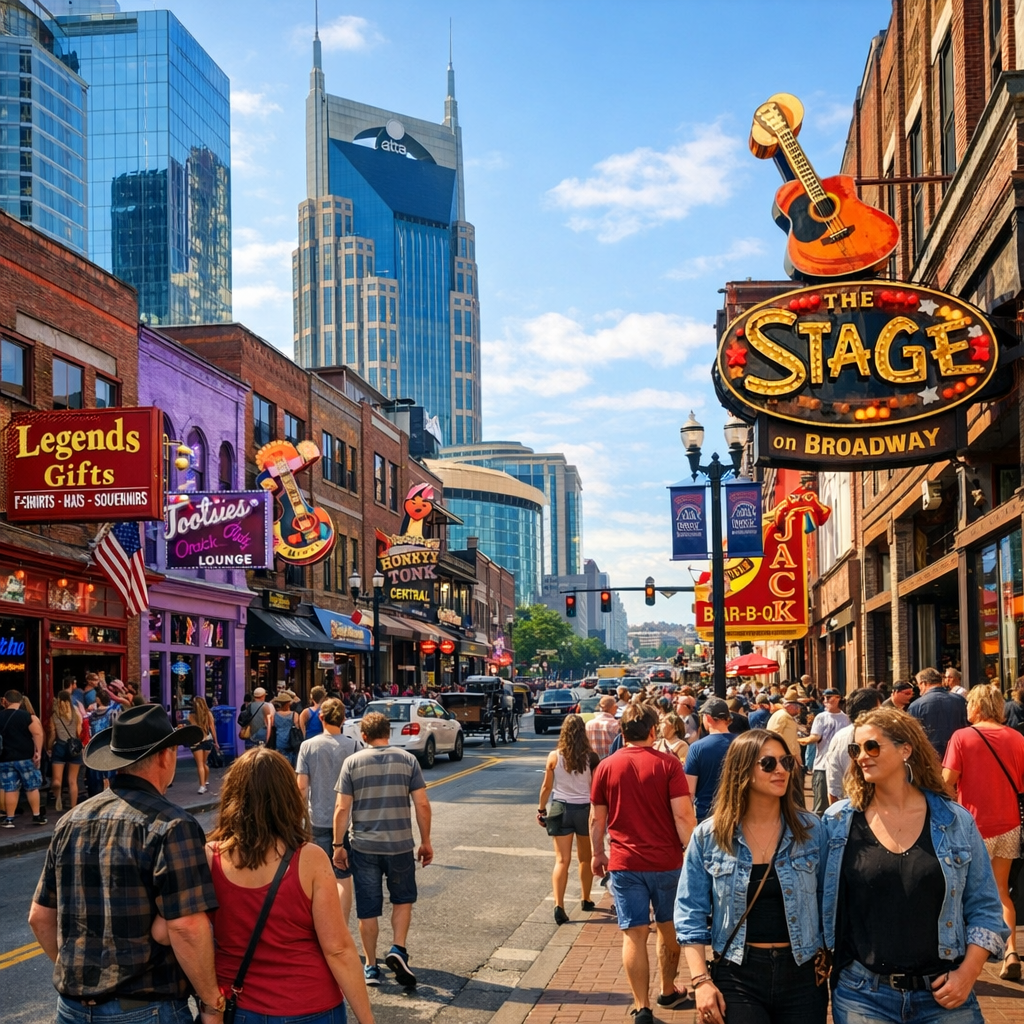
Downtown Nashville, renowned for its vibrant music scene and bustling nightlife, is facing challenges in attracting and retaining local residents. Recent studies and polls indicate that while the area thrives as a tourist destination, many Nashvillians are hesitant to frequent the downtown core.
Local Residents’ Perceptions
A report from the Gensler Research Institute highlights that Downtown Nashville is not particularly “sticky” for local residents, meaning many tend to avoid the area regularly and do not linger when they do visit. The “stickiness” metric used in the report measures how frequently residents go downtown and how long they stay. In contrast, Detroit ranked as the “stickiest” downtown among 34 U.S. cities surveyed. Despite serving as a major tourism hub known for its entertainment and socializing venues, Downtown Nashville faces issues with public safety, including concerns over excessive drinking and crime, which likely contribute to locals’ hesitancy. However, the area still received positive feedback for its vibrancy, authenticity, and memorability. The study gathered input from 35,000 residents across 75 cities worldwide between July and November 2025, indicating a broader trend: fewer than half of residents surveyed in all cities visited their downtown areas weekly, and less than a third spent leisure time there. Efforts by tourism promoters are underway to address the rowdy atmosphere in hopes of making Downtown Nashville more appealing to its residents.
Safety and Cleanliness Concerns
Safety remains a significant concern for residents. A recent poll commissioned by the Downtown Partnership reveals that many Nashvillians view downtown favorably in terms of cleanliness, with 33% stating it is cleaner than their own neighborhoods, compared to 26% who believe their areas are cleaner. The survey of 417 registered voters was conducted via phone and text between April 9 and 11. The results emerge amid ongoing debates about downtown safety and cleanliness, fueled by increasing scrutiny from the progressive city council over public safety investments. The Downtown Partnership and the Central Business Improvement District (CBID), which funds supplemental services through fees from downtown businesses and residents, are under evaluation. In response, the Partnership has presented a detailed spending plan for the first time in two decades for inclusion in the Metro budget. Public safety remains a central issue for the council, which is set to vote on the CBID budget in an upcoming meeting. Downtown Partnership President Turner emphasized that the poll indicates broad public support for ongoing efforts to maintain cleanliness and safety downtown.
Affordability and Housing Challenges
Affordability is another pressing issue. According to the American Community Survey’s 2024 1-year estimates, Nashville’s overall “official” poverty rate is 11.9%, representing approximately 83,898 people. But for African American residents, the poverty rate rises to 18.0%. Black workers face significantly higher unemployment rates and receive lower pay and fewer benefits than their White counterparts, even when they have comparable education. The latest unemployment rate of African Americans in Davidson County is 5.5%—almost three times that of whites at 2.0%. Nearly half of all renters in Nashville are “cost-burdened” (spending more than 30% of their income on housing).
Community Initiatives and Future Outlook
In response to these challenges, various community initiatives are underway. The Metro Public Health Department, in collaboration with local organizations, has developed a Community Health Improvement Plan outlining strategies to address health disparities and promote well-being across the city. Additionally, Mayor Freddie O’Connell’s administration has announced significant investments in transportation infrastructure through the “Choose How You Move” initiative, aiming to improve daily travel for all Nashvillians.
While Downtown Nashville continues to be a hub of activity and culture, addressing the concerns of local residents regarding safety, affordability, and inclusivity is crucial for fostering a more engaged and satisfied community.