

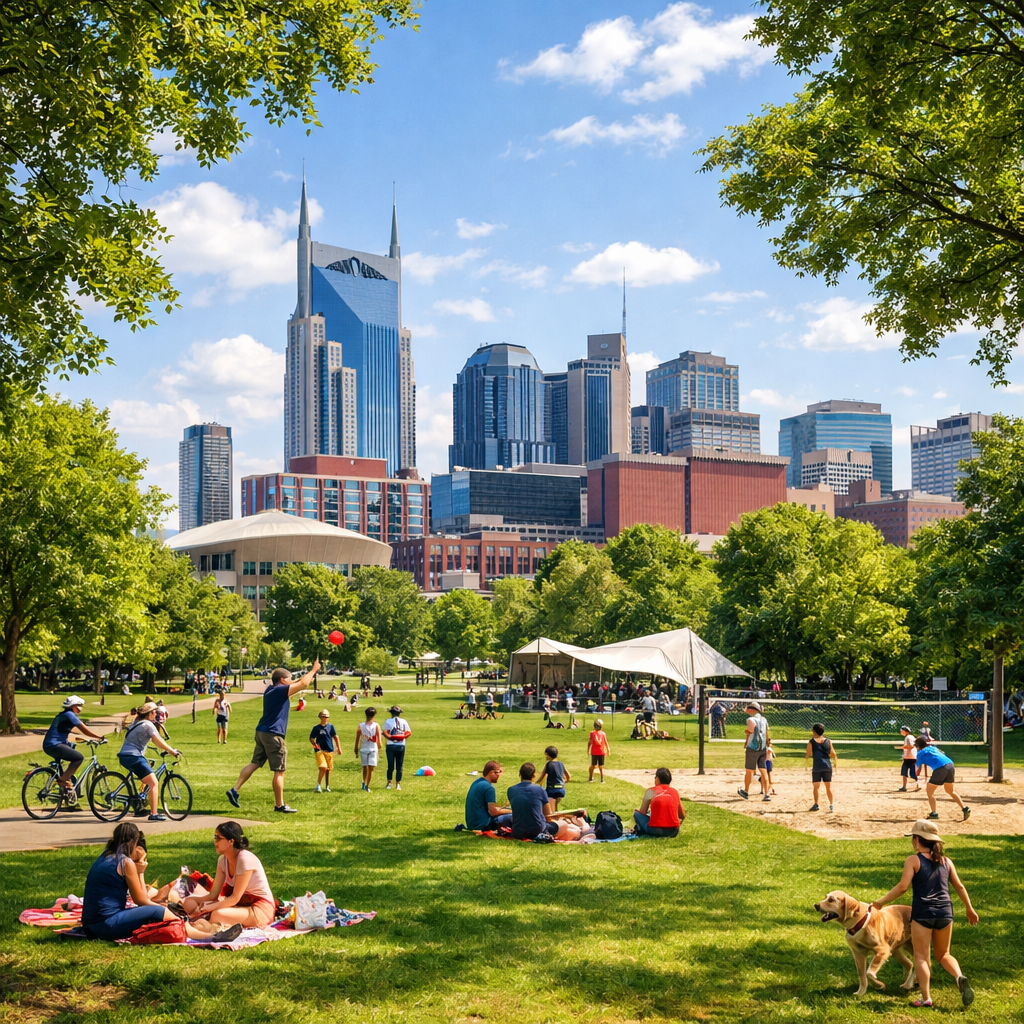
Nashville is actively pursuing a sustainable future through a series of comprehensive initiatives aimed at environmental stewardship and resilience. These efforts encompass urban forestry, green infrastructure, and community engagement, reflecting the city’s dedication to preserving its natural resources and enhancing the quality of life for its residents.
Urban Forestry and Green Spaces
The city has made significant strides in expanding and maintaining its urban tree canopy. The Nashville Downtown Arboretum, launched in May 2025, features over 3,000 trees distributed throughout downtown, contributing to urban cooling and improved air quality. This project is a collaborative effort between the Nashville Downtown Partnership and the Nashville Department of Transportation, highlighting the importance of green spaces in urban planning.
Community Engagement and Education
Organizations like Urban Green Lab play a pivotal role in educating communities on sustainable living practices. By offering programs that reach nearly half of Davidson County’s zip codes, they empower residents to make environmentally conscious decisions in their daily lives. Additionally, the Nashville Earth Day festival, managed by the Centennial Park Conservancy, has donated over $200,000 since 2020 to support local environmental projects, emphasizing the community’s active participation in sustainability efforts.
Municipal Initiatives and Policies
Metro Nashville’s Climate Adaptation and Resilience Plan, developed in partnership with various departments and the Mayor’s Sustainability Advisory Committee, outlines strategies to prepare the city for climate-related challenges. This plan focuses on reducing greenhouse gas emissions, enhancing energy efficiency, and promoting sustainable development practices. Furthermore, the city’s commitment to achieving 90% waste diversion from landfills through recycling and composting initiatives demonstrates a proactive approach to waste management.
Educational Institutions Leading by Example
Metro Nashville Public Schools (MNPS) are integrating sustainability into their operations and curricula. The MNPS Energy Program has achieved a 20% annual reduction in energy consumption, equivalent to reducing 260,000 metric tons of carbon emissions. Schools have implemented energy-efficient designs, solar energy systems, and geothermal HVAC systems, setting a precedent for environmental responsibility in educational settings.
Through these multifaceted efforts, Nashville exemplifies a comprehensive approach to environmental sustainability, combining policy, community engagement, and education to foster a resilient and eco-friendly urban environment.