

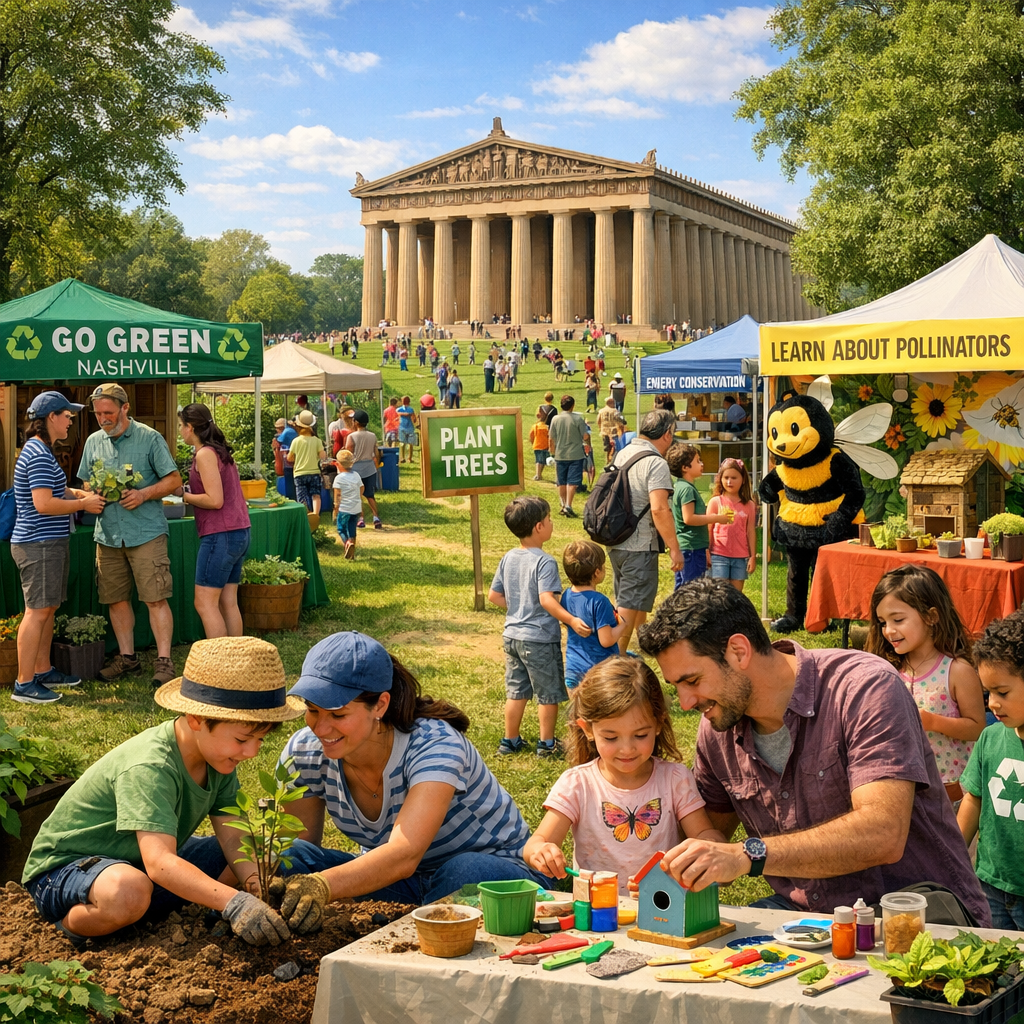
Nashville’s dedication to environmental sustainability is evident through various community-driven initiatives and city-led programs. These efforts aim to preserve natural resources, reduce waste, and promote a healthier environment for all residents.
City-Led Sustainability Initiatives
The Mayor’s Office has been proactive in implementing strategies to enhance the city’s environmental resilience. The 2021 Climate Action Plan focuses on decarbonizing the electrical grid, improving energy efficiency in buildings, and promoting sustainable transportation options. Additionally, the Climate Adaptation and Resilience Plan, introduced in September 2024, addresses the city’s preparedness for climate-related challenges, emphasizing the importance of adapting infrastructure and community resources to withstand environmental changes.
Community Engagement and Education
Organizations like Urban Green Lab play a pivotal role in educating Nashville’s communities on sustainable living practices. By offering programs that reach educators, businesses, and households, they aim to instill a culture of sustainability across the city. Their efforts have impacted numerous zip codes and organizations, fostering a widespread commitment to environmental stewardship.
Green Infrastructure and Public Spaces
The development of the Nashville Downtown Arboretum showcases the city’s commitment to enhancing urban green spaces. With over 3,000 trees planted along sidewalks and public areas, this initiative not only beautifies the city but also contributes to improved air quality and urban cooling. Such projects highlight the importance of integrating nature into urban planning.
Zero Waste Goals
In December 2019, Nashville’s Solid Waste Region Board approved a Solid Waste Master Plan aiming for a 90% diversion of waste from landfills. This ambitious goal involves increasing recycling efforts, reducing food waste, and promoting composting throughout Davidson County. Achieving this target requires collective action from both the city and its residents.
Educational Institutions Leading by Example
Metro Nashville Public Schools (MNPS) have embraced sustainability through various initiatives. The MNPS Energy Program has achieved a 20% annual reduction in energy consumption over the past three years. Additionally, the incorporation of solar energy systems and geothermal HVAC systems in several schools demonstrates a commitment to reducing the environmental footprint of educational facilities.
Nashville’s journey toward environmental sustainability is a collaborative effort involving city leadership, community organizations, and residents. By participating in local programs, adopting sustainable practices, and supporting green initiatives, every Nashvillian can contribute to a healthier and more resilient city.