

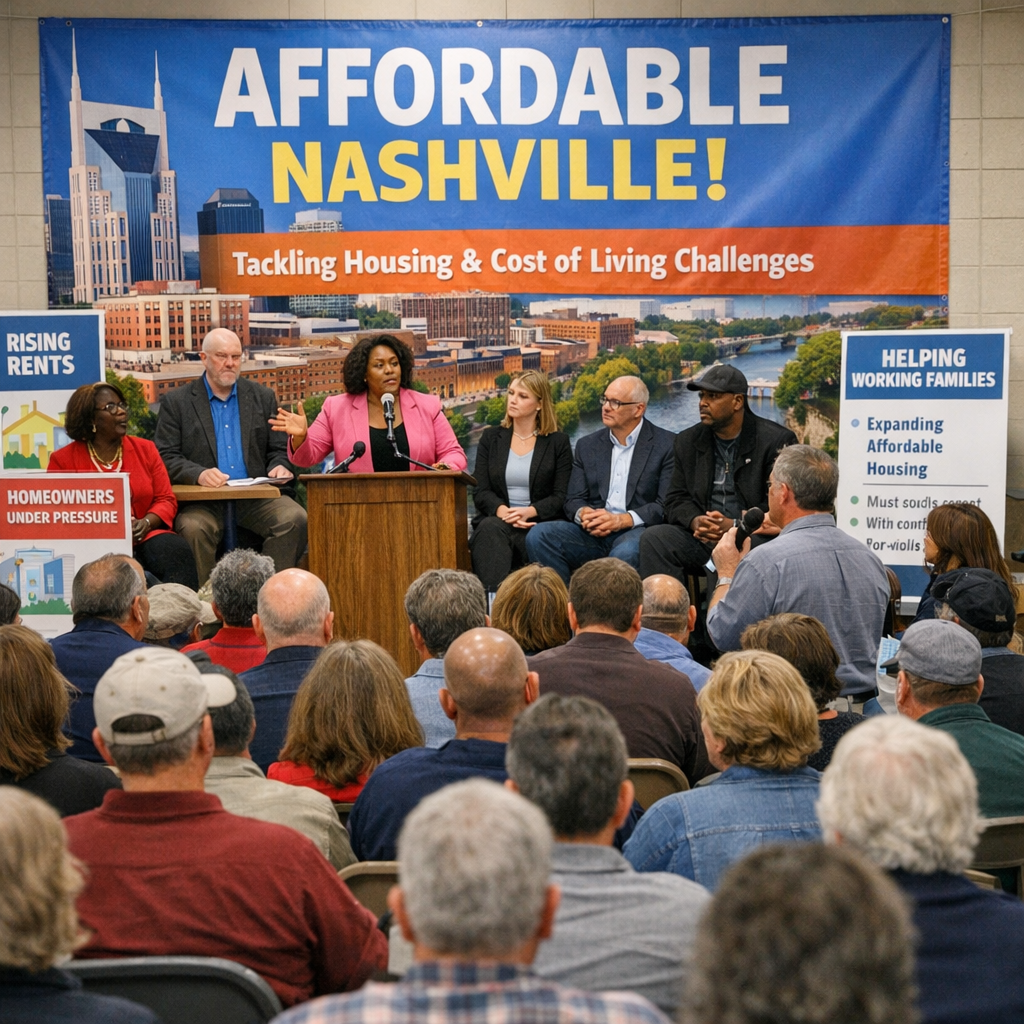
Nashville’s rapid growth has brought prosperity to many, but it has also intensified affordability challenges, especially for African American residents. Recent reports highlight these disparities and the community’s efforts to address them.
Affordability Challenges for African American Residents
According to Metro Social Services’ 17th annual Community Needs Evaluation, African American residents in Nashville face significant economic hurdles. The report reveals that the poverty rate among African Americans is 18%, compared to the city’s overall rate of 11.9%. Additionally, the unemployment rate for Black workers stands at 5.5%, nearly three times that of their white counterparts at 2.0%. Housing affordability is also a pressing issue, with nearly half of all renters in Nashville being “cost-burdened,” spending more than 30% of their income on housing.
Community Initiatives and Responses
In response to these challenges, various community initiatives have emerged. For instance, the Nashville Food Project has launched FeedBack Nashville, aiming to address food insecurity affecting over 80,000 residents. This initiative seeks to provide reliable access to nutritious food for those in need.
Furthermore, residents are finding creative ways to build community and support one another. Simple yet effective strategies, such as hosting casual neighborhood gatherings, have evolved into book clubs and holiday open houses, fostering a sense of belonging and mutual support.
Moving Forward
While the challenges are significant, the resilience and proactive efforts of Nashville’s communities offer hope. By continuing to address affordability issues through targeted initiatives and fostering strong community bonds, Nashville can work towards a more inclusive and equitable future for all its residents.