

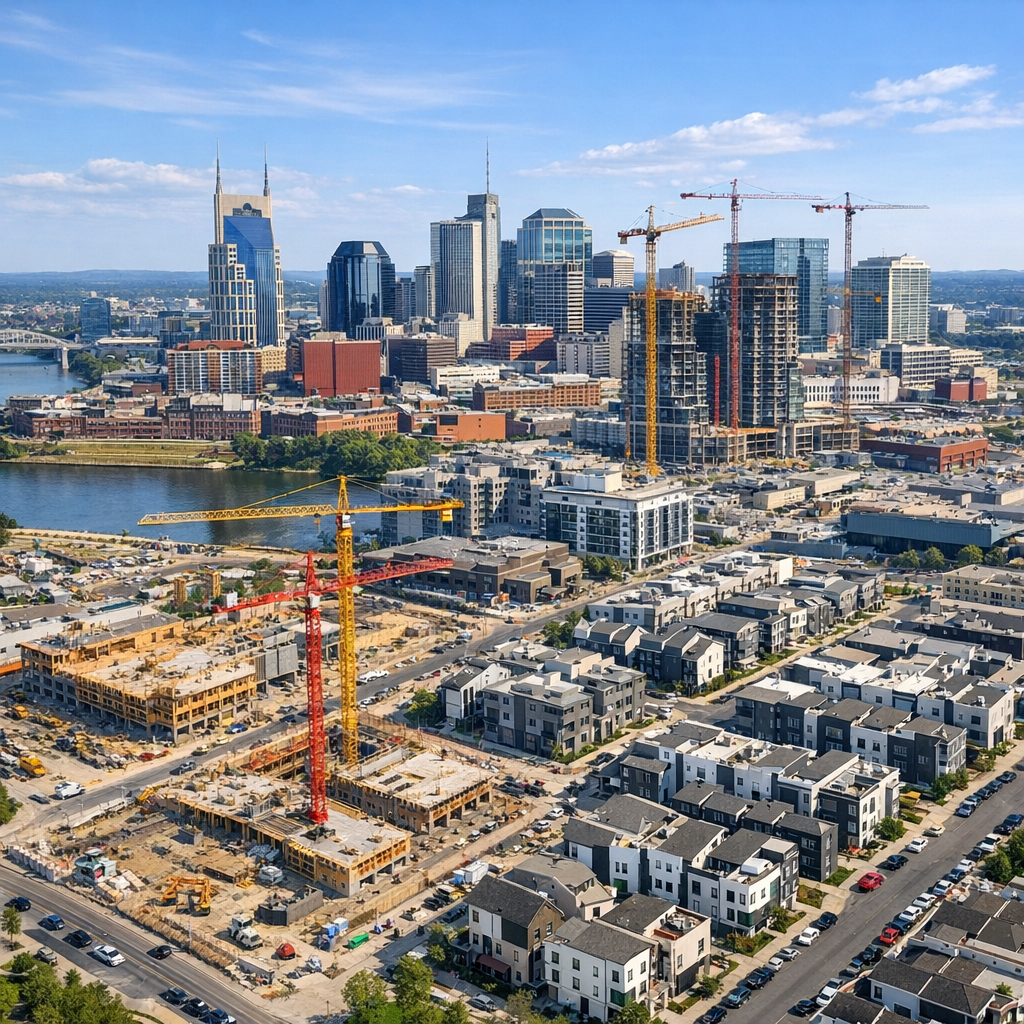
Nashville’s rapid population growth serves as a microcosm of broader national trends, reflecting the challenges and opportunities faced by many American cities. In recent years, Davidson County has led Tennessee’s population increase, adding nearly 9,300 residents in 2025 alone. This surge underscores significant issues in housing affordability, infrastructure development, and educational access.
Housing Market Pressures
The influx of new residents has intensified demand for housing, leading to skyrocketing home prices. Middle Tennessee, particularly areas like East Nashville, has experienced some of the sharpest price increases, with home values rising by approximately 50% since 2020. This trend mirrors national patterns where urban centers grapple with housing shortages and affordability crises.
Infrastructure and Transportation
To address the growing population’s needs, Nashville has initiated substantial investments in infrastructure. The ‘Choose How You Move’ program, launched in 2024, aims to enhance transit options and alleviate traffic congestion. By October 2025, the city allocated $104 million for transit projects, including sidewalk improvements, smart traffic signals, and expanded public transportation services. These efforts reflect a nationwide push towards sustainable urban mobility solutions.
Educational Attainment and Economic Disparities
Education remains a pivotal factor in economic mobility. In Nashville, adults aged 25 or older without a college education earned a median income of $41,393, highlighting the wage gap between high school graduates and those with higher education. This disparity is consistent with national data emphasizing the economic benefits of higher education. Programs like Tennessee Reconnect, offering tuition-free community college to residents aged 25 and older, aim to bridge this gap and are part of a broader national movement to make education more accessible.
Immigration and Cultural Dynamics
International migration has significantly contributed to Nashville’s demographic changes. In 2024, Davidson County added over 14,000 residents through international migration. However, shifts in national immigration policies have led to a dramatic decline in 2025, affecting the city’s cultural and economic landscape. This pattern reflects broader national debates on immigration and its impact on local communities.
Climate Challenges
Like many parts of the country, Nashville has faced increasing climate-related challenges. In June 2025, the city experienced extreme heat waves, with temperatures reaching record highs. Such events are becoming more frequent nationwide, prompting cities to develop resilience strategies to protect vulnerable populations and infrastructure.
Nashville’s experiences encapsulate the multifaceted challenges and opportunities arising from rapid urban growth, offering valuable insights into the broader national discourse on housing, infrastructure, education, immigration, and climate resilience.