

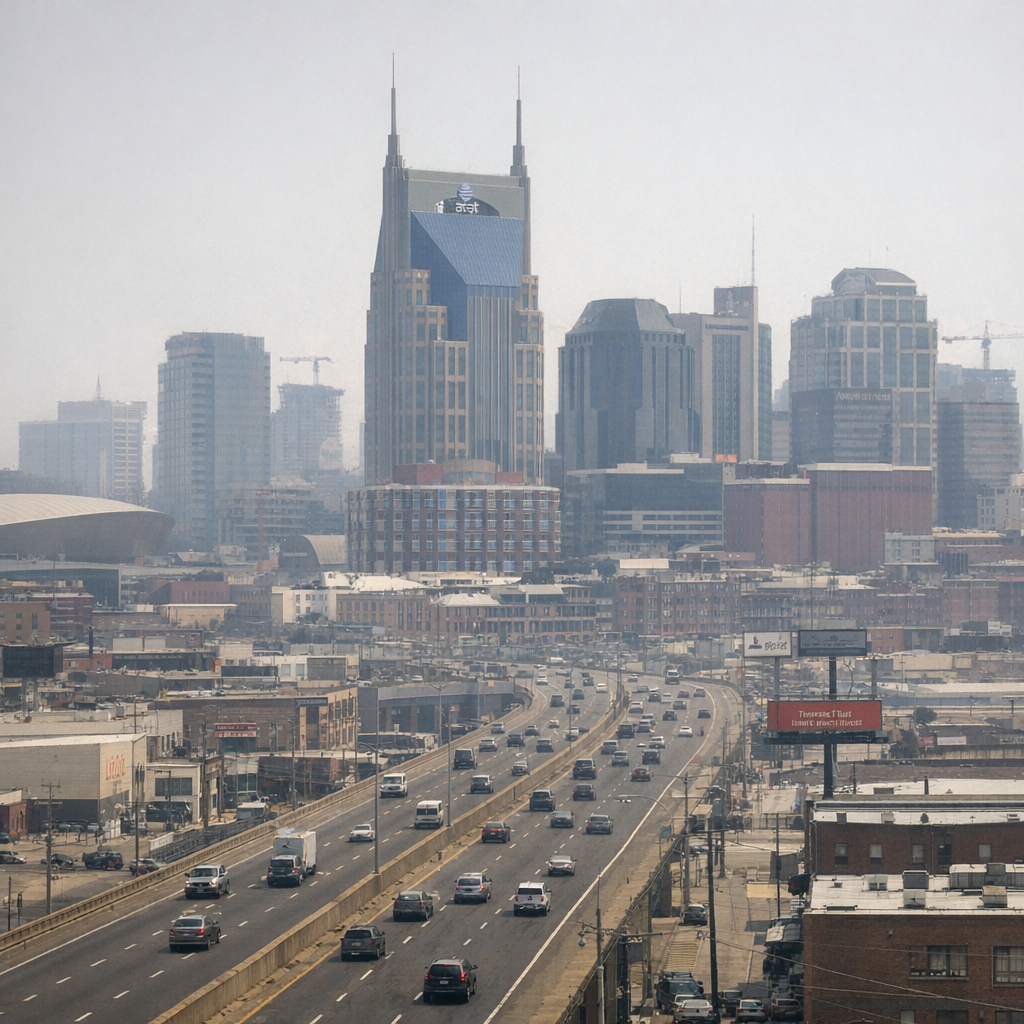
Nashville, Tennessee, experiences a humid subtropical climate characterized by hot, humid summers and mild to cool winters. Understanding these patterns is essential for residents and visitors alike.
Seasonal Weather Patterns
Summer
Summers in Nashville are typically hot and muggy, with average high temperatures around 89°F (32°C) in July. The season spans from late May to mid-September, with temperatures often exceeding 90°F (32°C). Humidity levels can make the heat feel more intense, so staying hydrated and seeking shade during peak hours is advisable.
Winter
Winters are generally mild, with average low temperatures around 31°F (-1°C) in January. While snowfall is infrequent, the city occasionally experiences winter storms that can disrupt daily activities. Residents should stay informed about weather forecasts during the colder months.
Spring and Fall
Spring and fall offer moderate temperatures and are often considered the most pleasant times of the year. These seasons are marked by fluctuating temperatures and varying precipitation levels, making them ideal for outdoor activities.
Environmental Challenges
Urban Heat Islands
Urbanization has led to the development of heat islands—urban areas that experience higher temperatures due to infrastructure like roads and buildings absorbing heat. Approximately 71% of Nashville residents live in neighborhoods considered heat islands. This effect is more pronounced in historically lower-income areas, where access to air conditioning may be limited.
Flooding
Nashville’s location in the Cumberland River basin makes it susceptible to flooding, especially during heavy rainfall. The May 2010 flood serves as a stark reminder of the city’s vulnerability, causing significant damage and loss of life. Ongoing development has intensified pressure on floodplains and stormwater systems, necessitating proactive measures to mitigate future risks.
Climate Change Impacts
Climate change is expected to exacerbate existing environmental challenges in Nashville. Increased frequency and intensity of heatwaves, storms, and flooding events pose risks to infrastructure, public health, and the economy. The city’s Climate Adaptation and Resilience Plan aims to address these issues by enhancing preparedness and resilience.
Community Initiatives
To combat the effects of extreme heat, Nashville has implemented initiatives such as special pavement coatings that reflect sunlight, reducing heat absorption. Additionally, efforts to increase the city’s tree canopy are underway to provide natural cooling and improve air quality.
Understanding Nashville’s climate and environmental challenges is crucial for fostering a resilient and sustainable community. By staying informed and participating in local initiatives, residents can contribute to the city’s efforts to adapt to a changing climate.