

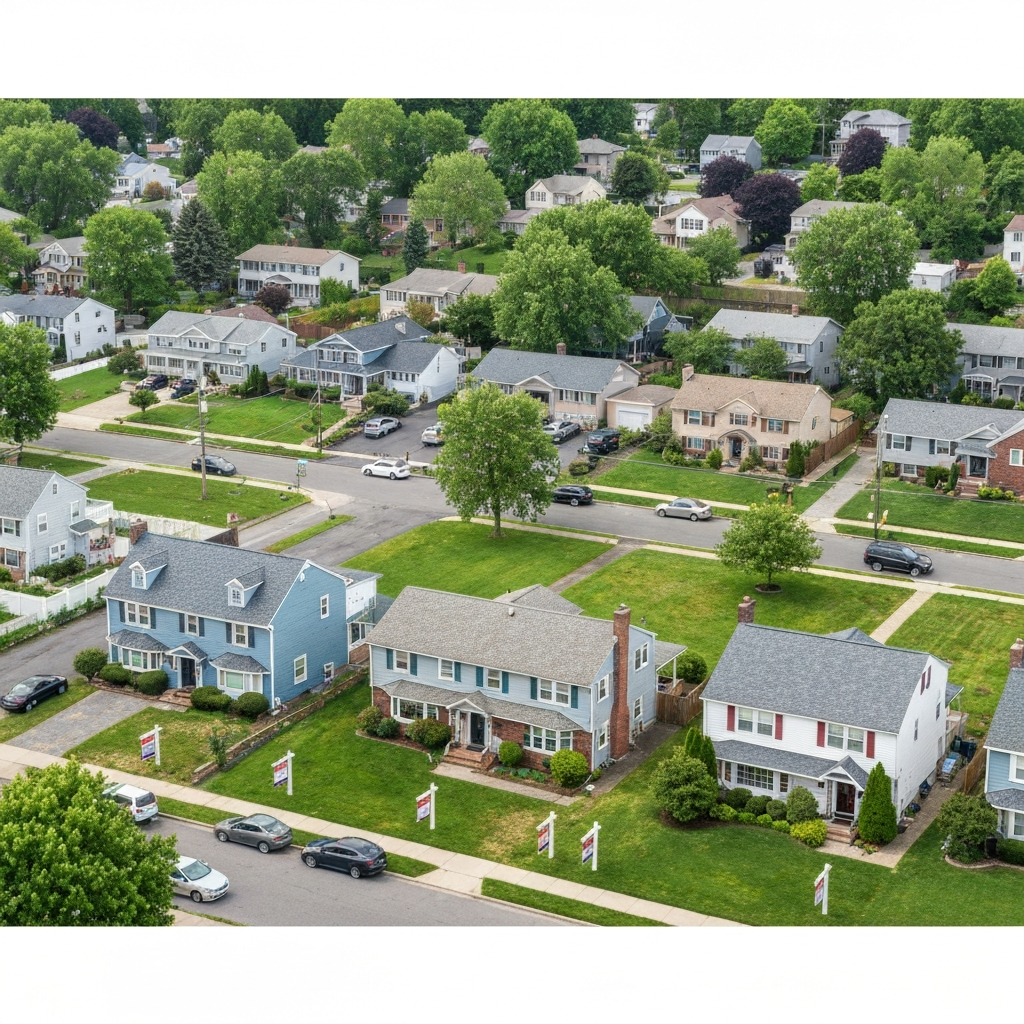
The real estate market is a dynamic entity, influenced by various factors including economic conditions, demographic shifts, and policy changes. Understanding these elements is crucial for prospective buyers, sellers, and investors aiming to make informed decisions.
Current Market Trends
As of March 2026, the U.S. housing market has exhibited modest growth. The median home price nationwide increased by 1.1% year-over-year, reaching $436,412. Concurrently, the number of homes sold rose by 2.0%, while the inventory of homes for sale experienced a slight decline of 0.062%.
Regional variations are notable. For instance, the Midwest has shown relatively strong appreciation, with cities like Philadelphia recording an 8.6% year-over-year price growth. Conversely, some Western regions have seen price declines, indicating a shift towards a more balanced market.
Home Buying Considerations
For first-time homebuyers, navigating the current market requires careful planning. Key steps include:
- Assessing Affordability: Determine a realistic budget by evaluating income, debts, and expenses. Utilizing home affordability calculators can provide a clear picture of what is financially feasible.
- Saving for Upfront Costs: Begin saving early for expenses such as down payments and closing costs. Exploring state down-payment assistance programs can also be beneficial.
- Understanding Loan Options: Familiarize yourself with various mortgage products, including VA loans for eligible veterans, which offer advantages like no down payment requirements.
Impact of Institutional Investors
Institutional investors have played a significant role in the housing market, often purchasing single-family homes for rental purposes. This trend has raised concerns about affordability and accessibility for individual buyers. In response, policy discussions have emerged, including proposals to restrict large institutional purchases to ensure more opportunities for personal homeownership.
Demographic Influences
Demographic shifts continue to shape housing demand. Factors such as domestic migration patterns, influenced by climate change and healthcare access, are affecting where individuals choose to live. Additionally, restrictive immigration policies may exacerbate labor shortages, impacting construction and housing markets.
Conclusion
Staying informed about these evolving trends is essential for anyone involved in the real estate market. By understanding current market conditions, financial considerations, and demographic influences, individuals can make strategic decisions aligned with their housing goals.